Home Addition Services

A home addition allows you to gain the space you need without leaving the home you love.

Whether you’re expanding for comfort, functionality, or long-term livability, a well-planned addition should feel like it was always part of the house.

Our design-build team helps homeowners navigate the complexity of additions by aligning design, structure, and construction from the start.


Home Addition Design

  • As a full-service design-build firm, our designers translate your ideas into buildable, well-planned additions.

  • You’ll receive custom plans guided by your needs, budget, and how the new space will integrate with your existing home.

Sunroom Additions

  • Bring the outdoors in with a custom sunroom addition that floods your home with natural light.

  • Perfect for creating a relaxing retreat, home office, or entertaining space that connects seamlessly to your existing home and backyard.

Kitchen Additions

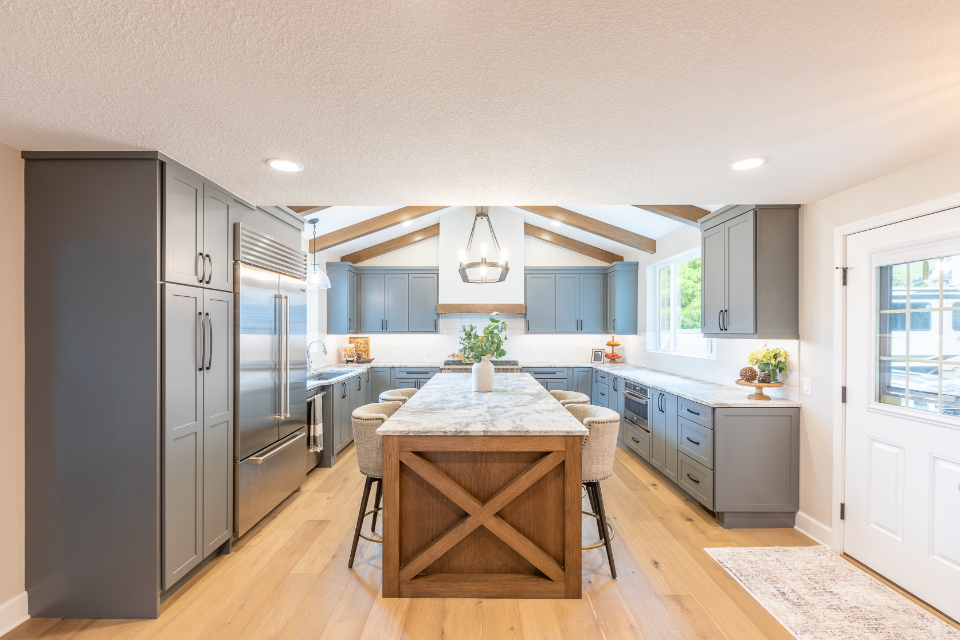
  • Expand your kitchen footprint to accommodate modern open-concept living, larger islands, dining areas, or butler's pantries.

  • A kitchen addition creates the spacious, functional heart of the home you've been dreaming of.

Primary Suite Additions

  • Add a private bedroom retreat with a spacious bathroom and walk-in closet.

  • Primary suite additions are designed to complement your home’s architecture while improving comfort and privacy.

Second-Story Additions

  • When lot size limits outward expansion, a second-story addition can add significant square footage.

  • These projects require careful structural planning to support new loads while minimizing disruption to the existing home.

Home Office & Flex Space Additions

  • Create dedicated space for working from home, hobbies, or multi-purpose use.

  • Flex spaces are designed to adapt as your needs change over time.

In-Law & Guest Suite Additions

  • Add a private living space for extended family or guests while maintaining separation from the main home.

  • These additions often include bedrooms, bathrooms, and small living areas for comfort and independence.

Lamont Bros. Home Addition Construction Team


Our goal is to make it so you can't tell there is an addition there.

Similar to whole home remodels, with additions you're tying in something new with something old, and making sure those two aspects look good together.

– Emily Christman, Designer

What Goes Into a Home Addition Project?

A home addition requires careful coordination between design, structure, systems, and construction sequencing to ensure the new space integrates seamlessly with the existing home.

Understanding the process and components of an addition helps homeowners plan realistically and avoid surprises along the way.

Site Evaluation & Feasibility

Before design begins, the home and property must be evaluated for zoning restrictions, setbacks, lot coverage, and structural constraints. These factors determine what type of addition is possible and how it can be positioned on the property.

Architectural Design & Integration

Additions must be designed to look and feel like a natural extension of the home. This includes rooflines, exterior materials, window proportions, and interior transitions between old and new spaces.

Structural Engineering

New foundations, framing, and load paths are required to safely support the addition. Structural planning ensures the existing home can accommodate new loads without compromising stability.

Permitting & Code Compliance

Home additions require permits and inspections to meet local building codes. Coordinating this process early helps prevent delays and ensures the project meets safety and zoning requirements.

Mechanical System Expansion

Plumbing, electrical, and HVAC systems often need to be extended or upgraded to serve the new space. Proper planning ensures comfort, efficiency, and system compatibility throughout the home.

Foundation & Envelope Construction

Additions require new foundations, weather barriers, insulation, and roofing systems. These elements protect the home from moisture, temperature loss, and long-term wear.

Interior Build-Out & Finishes

Once the structure is complete, interior elements such as drywall, flooring, trim, cabinetry, and fixtures are installed. Consistent material selection helps unify the addition with the rest of the home.

Construction Phasing & Occupancy Planning

Because additions are built onto occupied homes, sequencing work is critical. Phased construction helps manage disruption and maintain safe, livable conditions whenever possible.

Budget Alignment & Scope Management

Early planning helps balance design goals with budget realities. Defining scope upfront reduces mid-project changes and keeps costs predictable.

We used Lamont Bros. to do a major addition on our home. We added about 225 square feet to a 90 year old home. 

It's amazing how the home looks like it's been that way forever.

It all tied together just as we envisioned it and it even managed to surprise us in the ways it beneficially impacted the way we use other spaces in our home.

– Nick H. | Google Review

Here's How The Design-Build Process Works:

1

Our design team creates the space of your dreams.

2

Our build team brings the vision to life.

3

You enjoy your new custom-built space.


Lamont Bros. | Home Addition Project Gallery

Home Addition Construction Examples

These home additions were designed to solve specific space and layout challenges while preserving the look and feel of the original home.

Each project required careful planning to ensure the new space functioned well on its own and connected naturally to the existing layout.

The end goal was added square footage that feels intentional, cohesive, and built to last.

See more projects here: Home Additions Portfolio

icon_money

How much do home additions cost?

Home Additions FAQs

How do I know if my home can support an addition?

Every home and property has different constraints, including lot size, zoning rules, and structural capacity. The first step is evaluating what’s feasible before design begins.


Is it better to build out or build up?

That depends on your lot, budget, and goals. Building out typically requires more site work, while building up involves structural reinforcement—both options have tradeoffs we help you evaluate.


How long does a home addition usually take?

Timelines vary based on size and complexity, but home additions typically take several months from design through construction. Finalizing plans early helps keep the build phase predictable.


Will the addition match the rest of my house?

Yes. Additions are designed to integrate with your home’s existing architecture, rooflines, and materials so the new space feels cohesive rather than separate.


Do home additions require permits?

Yes. Additions require permits and inspections to meet zoning and building code requirements, which we manage as part of the project.


What typically drives the cost of a home addition?

Factors such as size, structural work, site conditions, system extensions, and finish selections all influence cost. Clear scope definition early helps avoid surprises later.