Lead paint does not automatically prevent you from remodeling an older home. It does change how the project should be tested, planned, contained, and cleaned.
Homes built before 1978 are more likely to contain lead-based paint because the federal government banned lead-containing residential consumer paint that year. When renovation work cuts, sands, drills, scrapes, or demolishes painted surfaces, it can release contaminated dust and debris.
The safest starting point is to presume painted surfaces in a pre-1978 home contain lead unless an appropriate professional determines otherwise. Contractors performing covered work must follow the federal Renovation, Repair and Painting Rule or an authorized state program.

Why Is Lead Paint a Concern During Remodeling?
Lead exposure can occur when someone ingests or inhales contaminated dust. Renovation work can spread that dust beyond the immediate work area, allowing it to settle on floors, furniture, windowsills, clothing, and other surfaces.
Children younger than six face particular risk because their bodies are still developing and hand-to-mouth behavior can increase exposure. The Centers for Disease Control and Prevention states that no safe blood lead level in children has been identified. Adults can also be affected, and exposure does not always cause obvious symptoms. CDC lead-paint guidance
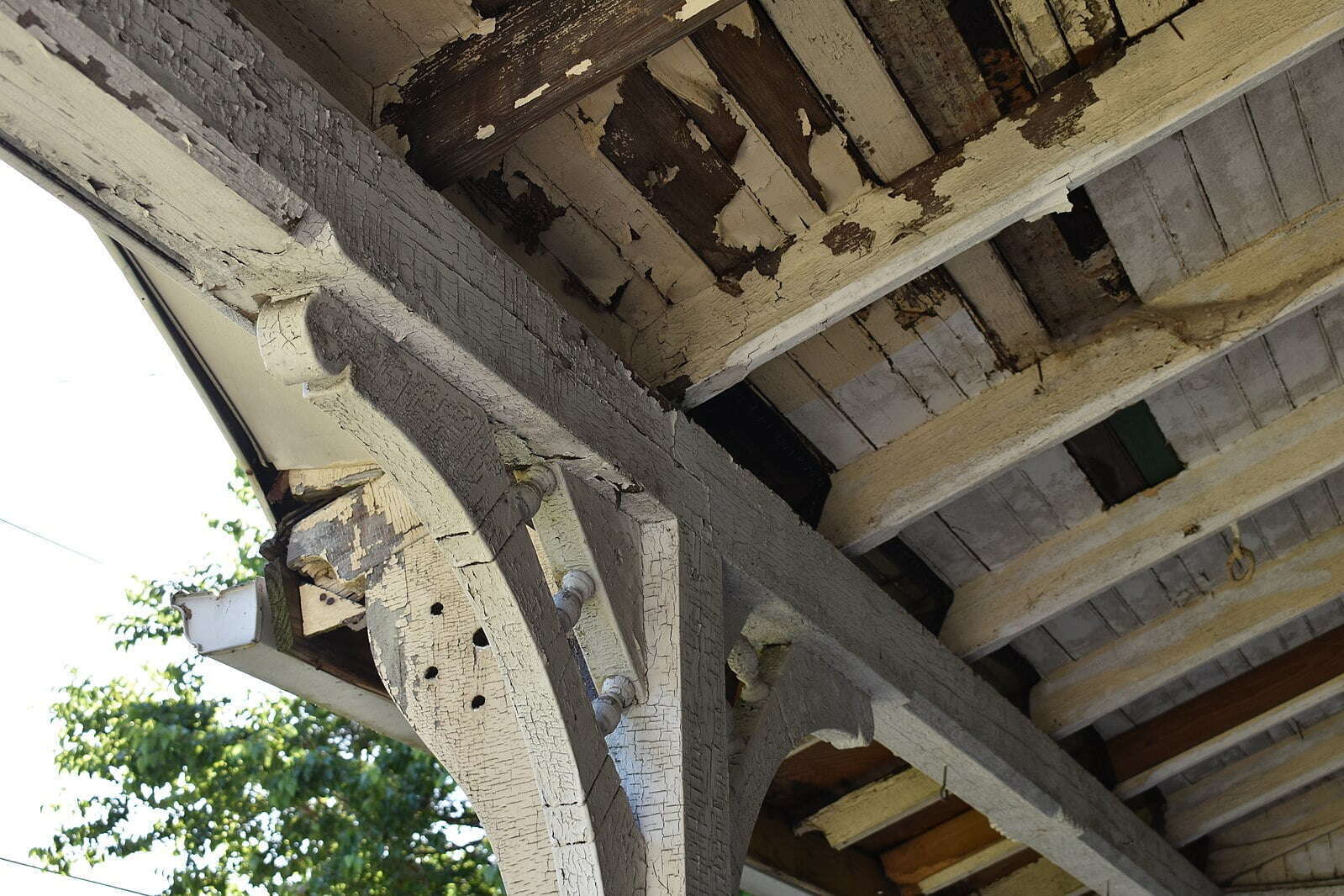
Paint does not need to be peeling before a remodel creates a problem. A stable-looking coating can release dust when it is sanded, drilled, cut, or demolished. Windows, doors, stairs, and other friction surfaces can also create contaminated dust as painted components rub together.
Which Homes Are Most Likely to Contain Lead Paint?
Lead-based paint is most commonly associated with homes built before 1978. The older the house, the greater the likelihood that at least one painted layer contains lead.
A recent coat of paint does not prove that the earlier layers beneath it are lead-free. Trim, doors, windows, siding, built-ins, railings, and plaster walls may contain several generations of coatings.
The EPA recommends presuming affected surfaces in a pre-1978 home contain lead or hiring a certified professional to test them. The construction date is a useful starting point, but it does not identify which components contain lead.
How Should Lead Paint Be Tested Before Remodeling?
Testing should focus on every painted component the remodel will disturb. A single test on one wall cannot establish that all painted surfaces in the work area are lead-free.
Depending on the project, testing may involve an EPA-recognized test kit used by a certified renovator, paint-chip analysis by a recognized laboratory, or testing performed by a certified lead inspector or risk assessor.
A retail kit used by a homeowner may provide preliminary information, but it should not be treated as definitive documentation for regulated professional work. EPA recognition of a test kit depends on the product, surface, and qualifications of the person using it. EPA lead test-kit guidance
A lead inspection identifies where lead-based paint is present. A risk assessment identifies lead hazards and recommends ways to address them. Homeowners should select the service that matches the project rather than treating the two as interchangeable.
What Is the Renovation, Repair and Painting Rule?
The EPA’s Renovation, Repair and Painting Rule, commonly called the RRP Rule, is intended to reduce exposure to lead dust during work that disturbs painted surfaces.
The federal rule generally applies to firms receiving compensation for renovation, repair, or painting work in pre-1978 housing and child-occupied facilities. Covered firms must be certified, use trained certified renovators, provide required lead information, follow lead-safe work practices, and maintain records.
Minor repair and maintenance work may qualify for an exception when it disturbs no more than six square feet of painted surface per interior room or no more than 20 square feet during an exterior project. Window replacement and demolition of painted surfaces are covered regardless of those limits. Other exceptions may apply. EPA contractor requirements
The rule can apply to kitchen, bathroom, basement, and whole-home remodeling. It can also apply to electrical, plumbing, HVAC, siding, painting, window, and carpentry work when those activities disturb painted surfaces.
Paint testing is not required in every covered situation. If the affected surfaces have not been properly determined to be lead-free, the contractor must generally treat them as though lead-based paint is present.
What Are the Requirements in Oregon and Washington?
Oregon and Washington administer their own lead-based paint programs. Contractors working in either state must comply with the program governing that project.
In Oregon, contractors performing covered work must meet the Construction Contractors Board’s lead-based paint renovation licensing requirements. The firm is also responsible for required notices, work practices, documentation, and recordkeeping. The Oregon Construction Contractors Board provides licensing information and contractor resources.
Washington requires applicable firms and renovators to meet the certification standards administered by the Washington State Department of Commerce.
A general contractor’s license does not establish lead-safe certification. Before work begins, confirm that the firm and assigned renovator have the credentials required in the project’s state.
What Happens During a Lead-Safe Renovation?
Lead-safe planning begins by identifying the painted components that will be disturbed and determining whether they will be tested or presumed to contain lead. The contractor should then establish how the work area will be separated from occupied portions of the home.
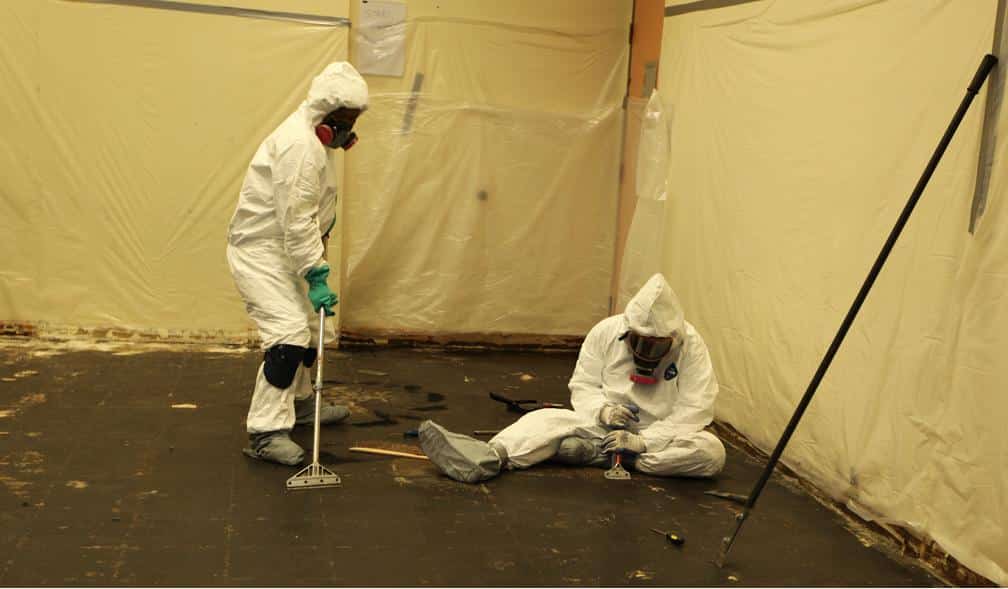
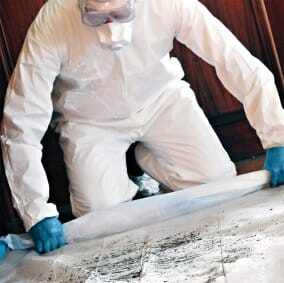
Containment may include plastic sheeting, sealed openings, protected floors, restricted access, and coverings for belongings that cannot be removed. Heating and cooling registers within the work area may also need protection so dust does not enter the duct system.
The containment plan must remain effective while workers, tools, and debris move through the project. Hanging plastic around a room is not enough if normal construction activity repeatedly carries dust outside the controlled area.
The work methods should also minimize dust. Certain high-dust practices are prohibited or restricted, including open-flame burning of lead paint and machine sanding or grinding without appropriate HEPA dust collection. Heat guns have temperature restrictions as well.
How Are Lead Dust and Debris Cleaned?
Paint chips, demolition debris, used plastic, disposable cleaning materials, and other project waste must be contained before leaving the work area.
EPA guidance states that most waste from routine residential renovation is generally treated as solid, nonhazardous waste under federal rules. State, tribal, and local disposal requirements may be stricter, so the contractor must verify the requirements that apply to the project.
Cleanup should include debris collection, HEPA vacuuming, wet wiping, and wet mopping. Dry sweeping and ordinary household vacuums can spread fine lead dust and should not be used for visible lead debris.
For covered RRP projects, the certified renovator must complete the required cleaning-verification process. A homeowner may also hire a certified dust-sampling technician, lead inspector, or risk assessor to perform post-renovation dust testing. EPA lead-safe renovation guidance
Can Lead Paint Be Covered Instead of Removed?
Lead paint does not always need to be removed. Stable surfaces that will remain undisturbed may sometimes be managed through maintenance, enclosure, or encapsulation.
Encapsulation uses a coating designed to create a durable barrier over lead-based paint. It is not the same as applying ordinary wall paint.
Covering the surface may not be appropriate when the existing paint is deteriorated, the substrate is failing, moisture is present, or the component experiences friction or impact. It also does not eliminate future lead-safe requirements if the surface will later be drilled, cut, sanded, or removed.
A certified lead professional can determine whether maintenance, encapsulation, enclosure, component replacement, or abatement is appropriate.
What Is the Difference Between Renovation and Lead Abatement?
RRP work and lead abatement can involve similar construction methods, but they serve different purposes.
RRP work occurs because the homeowner wants to remodel, repair, paint, or maintain the property. Lead-safe practices apply because the work may disturb lead-based paint.
Lead abatement is performed specifically to permanently address identified lead-based paint hazards. It may involve component removal, enclosure, encapsulation, or other regulated methods.
A contractor certified for RRP work is not automatically certified to perform lead abatement. The two activities have different training, certification, and occupant-protection requirements. EPA guidance on RRP and abatement
Can You Stay Home During the Work?
The RRP Rule does not automatically require everyone to leave the entire house. Occupants must remain outside the contained work area until the work is finished and the area has been properly cleaned.
Whether living elsewhere is the better choice depends on the size and location of the remodel. A contained repair in one room creates different challenges from a whole-home project involving painted walls, windows, flooring, and several occupied spaces.
Access to bedrooms, bathrooms, kitchens, and exits should be considered. The plan must also address HVAC operation, worker travel paths, debris removal, and the needs of children, pregnant residents, and other occupants with elevated exposure concerns.
Lead abatement follows different rules and may require residents to leave the home according to the approved project plan.
Can Homeowners Do the Work Themselves?
The federal RRP Rule generally does not impose the same certification requirements on homeowners working in a home they own and occupy. That does not make the work low-risk.
The EPA recommends hiring a Lead-Safe Certified contractor for renovation work in pre-1978 homes. Homeowners who choose to perform their own work should follow EPA guidance for containment, dust reduction, HEPA vacuuming, waste handling, and wet cleaning.
Rental housing, child-occupied facilities, work performed for compensation, and state or local regulations may create additional requirements. Do not assume the homeowner exception applies to every property.
What Should You Ask a Remodeling Contractor?
Ask whether the firm is currently certified for lead-safe renovation in the state where the work will occur. You should also know who the certified renovator will be, which painted components the work will disturb, and whether those surfaces will be tested or presumed to contain lead.
The contractor should be able to describe the containment plan, HVAC protection, dust-control methods, debris handling, cleaning procedure, and verification process. Ask which documents you will receive before and after the project.
Experience working in older homes is useful, but it does not replace current certification or a project-specific lead-safety plan.
Frequently Asked Questions
Does every home built before 1978 contain lead paint?
No. The construction date indicates the likelihood of lead paint but does not confirm its presence. The EPA recommends presuming affected surfaces contain lead or hiring a certified professional to test them.
Is a home lead test kit reliable enough before remodeling?
A retail kit may provide preliminary information, but it may not supply the documentation needed for regulated professional work. Under RRP requirements, EPA-recognized kits are used by certified renovators. Inspectors and risk assessors can use additional approved testing methods.
Can you safely paint over lead-based paint?
Sometimes. Stable paint that will remain undisturbed may be managed with an appropriate enclosure or encapsulation system. Ordinary paint is not automatically a permanent lead-control solution, particularly on damaged, moist, or high-friction surfaces.
Does all lead paint have to be removed before remodeling?
No. Some lead-painted components may remain when they are stable and outside the work scope. Surfaces that will be disturbed must be managed according to the applicable lead-safe requirements.
When does the RRP Rule apply?
The federal rule generally applies to paid renovation work that disturbs painted surfaces in pre-1978 housing and child-occupied facilities. Minor-work exceptions exist, but window replacement and painted-surface demolition remain covered regardless of the usual square-footage limits.
Can you live in a house during a renovation involving lead paint?
You may be able to remain elsewhere in the house during some RRP projects, but occupants cannot enter the contained work area. Project size, access, HVAC operation, containment, and household health concerns should guide the decision.
How should lead dust be cleaned after renovation?
Lead dust should be collected using a HEPA vacuum and wet-cleaning methods. Do not dry sweep visible lead dust or use an ordinary household vacuum. Post-renovation dust testing can provide additional confirmation when performed by a qualified professional.
What should you do if suspected lead paint is accidentally disturbed?
Stop work, keep people and pets away, and prevent the dust from spreading. Do not dry sweep or use a standard vacuum. Contact a certified lead professional for cleanup guidance. If exposure may have occurred, contact a healthcare provider or local health department to ask whether blood-lead testing is appropriate.
How can you confirm that a contractor is Lead-Safe Certified?
Ask for the firm’s current certification and the assigned renovator’s credentials. Verify them through the EPA or the authorized state program. Oregon certifications can be checked through the Construction Contractors Board, while Washington certifications are administered by the Department of Commerce.
Planning a Remodel in a Pre-1978 Home?
Lead paint should be addressed before demolition begins. Testing, containment, cleanup, occupancy, and responsibility for regulated work can all affect the project scope and schedule.
Lamont Bros. Design & Construction plans and builds kitchen remodels, bathroom remodels, whole-home renovations, and home additions throughout the Portland metro area and Southwest Washington. Our design-build process connects existing-home evaluation, design, and construction planning before work begins.
If you are considering a remodel in an older home, contact Lamont Bros. to discuss the property, proposed work, and the lead-related information that may be required before construction.
-1.jpg)