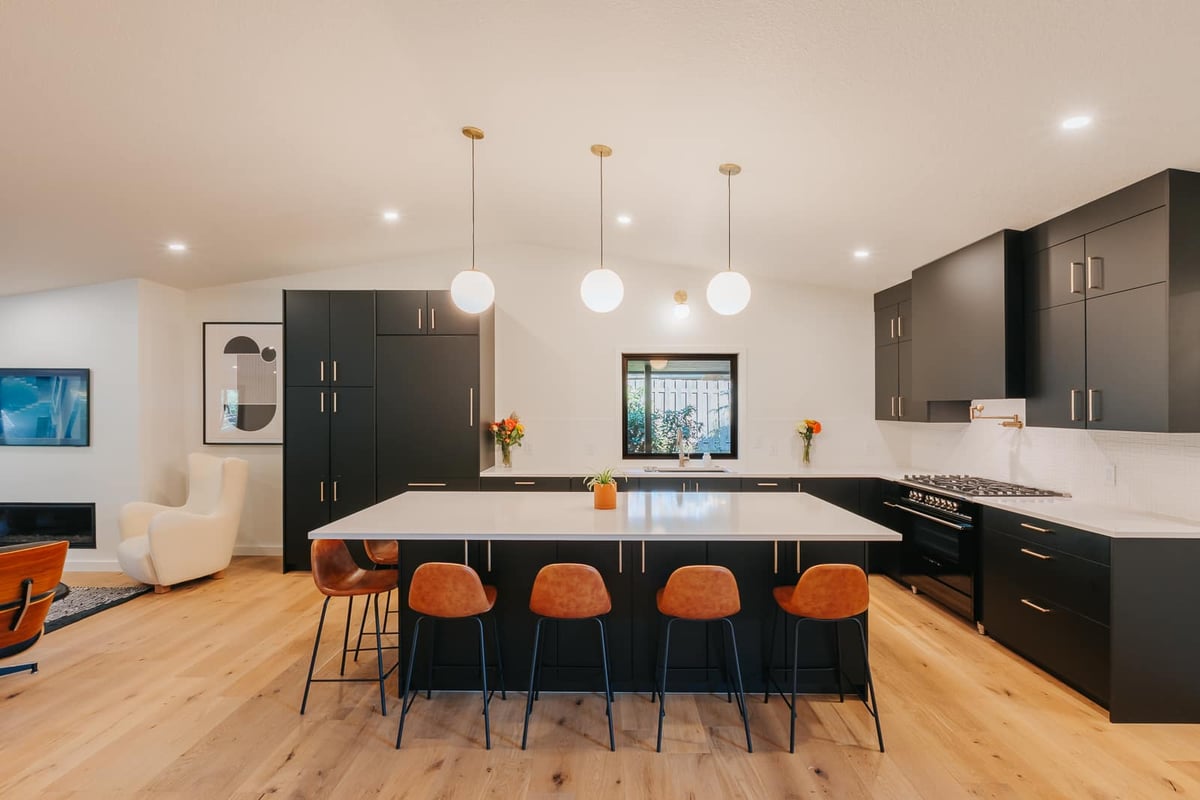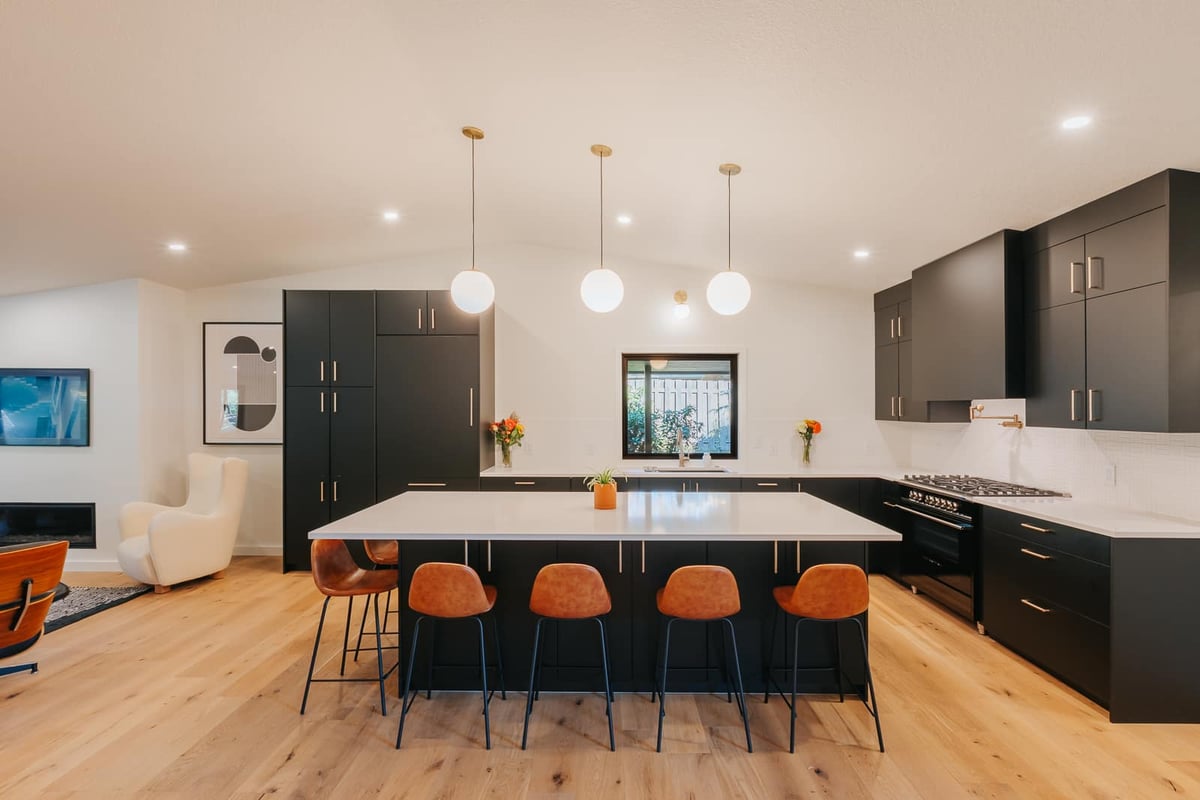
A kitchen remodel is one of the most significant investments you can make in your home—and one of the most variable. Depending on scope, materials, and kitchen size, costs can range from $20,000 for a targeted cosmetic refresh to well over $150,000 for a fully custom redesign. This guide breaks down what drives kitchen remodel costs, what you can realistically expect to spend at each level, where your money actually goes, and how to make smart decisions that maximize your return on investment.
Key Points
- Kitchen remodel costs fall into three tiers with fundamentally different scopes. A cosmetic refresh runs $20,000 to $75,000 and only updates finishes. A pull and replace remodel runs $100,000 to $300,000 and replaces everything while keeping the layout intact. A full custom remodel runs $150,000 to $400,000 and includes structural changes, layout redesigns, and premium materials throughout.
- Cabinetry, labor, and finish work consistently consume the largest share of the budget. Cabinets alone account for roughly 22% of a typical project, while plumbing, electrical, and finish work add another 30% combined. Keeping appliances and the sink in their existing locations is one of the most effective ways to control costs, since moving utility lines drives up both labor and timeline significantly.
- Smart budgeting requires a contingency fund, clear priorities, and a willingness to value engineer. Setting aside 10 to 15% for unexpected discoveries, knowing which elements matter most before decisions get made, and working with a designer who can identify where premium materials are worth the cost and where they are not are the habits that separate well-executed remodels from ones that run over budget.
What Factors Influence the Cost of a Kitchen Remodel?
Before looking at price ranges, it helps to understand what determines where you land within them. Kitchen remodel costs are shaped primarily by four things: scope of work, kitchen size, material quality, and labor complexity.
Scope
Scope of work is the single biggest driver. A remodel that only swaps out surface finishes is fundamentally different from one that tears everything out and rebuilds from scratch, or one that moves walls and reroutes plumbing. The more you change, the more it costs.
Kitchen Size
Kitchen size matters because almost every cost category scales with square footage. More floor space means more flooring, more cabinets, more countertop linear footage, more lighting fixtures, and more labor hours.
Materials
Material quality creates enormous variation within any given scope. The difference between stock cabinets and semi-custom or fully custom cabinetry alone can represent $15,000–$30,000 or more on a single line item.
Labor
Labor complexity increases when structural changes are involved—removing walls, moving plumbing or electrical lines, adding square footage. These tasks require licensed specialty tradespeople and permitting, which adds both cost and timeline.
The Three Levels of Kitchen Remodels and What They Cost
Most kitchen remodels fall into one of three categories. Understanding which type fits your goals is the most important step in setting a realistic budget.
Cosmetic Refresh: $20,000–$75,000
A cosmetic refresh is the most targeted and least invasive option. The defining characteristic is that it stays entirely surface-level—no structural changes, no moving of appliances or cabinetry, no rerouting of plumbing or electrical. Everything stays where it is; only the finishes change. Common elements include re-painted or re-stained cabinetry, new countertops, updated backsplash, new flooring, replacement plumbing fixtures, and new cabinet hardware.
This is the right choice if your kitchen layout is functional, your cabinet boxes are structurally sound, and you primarily want a fresh, updated look. The tradeoff is that a cosmetic refresh doesn't address underlying issues like inefficient storage, poor workflow, or an outdated layout. If those problems exist, surface updates may look better without solving the frustrations that prompted the remodel in the first place.
Pull-and-Replace: $100,000–$300,000
A pull-and-replace remodel removes everything in the kitchen and installs brand-new replacements in the same locations. Unlike a cosmetic refresh, you get an entirely new kitchen—new cabinets, new appliances, new flooring, new fixtures, new lighting. Unlike a full custom remodel, the layout stays the same. Plumbing and electrical hookups don't move, which avoids the expensive process of rerouting utility lines.
This level is well-suited for kitchens where the layout works but the materials have aged out or the style is significantly dated. Because you're replacing rather than refreshing, you have full control over the new design direction without the premium that comes with structural changes. The pull-and-replace is often the most value-efficient option for homeowners who want a genuinely new kitchen without paying for layout changes they don't need.
Full Custom Remodel: $150,000–$400,000
A full custom remodel starts from scratch—both in terms of materials and layout. If the existing kitchen has serious design flaws, inefficient workflow, or simply doesn't meet the household's needs, a custom remodel offers the freedom to redesign it entirely. This level may include a full redesign of the kitchen layout, structural changes like wall removal, moving plumbing and electrical lines, custom or semi-custom cabinetry built to the space, premium countertops, high-end appliances, and custom lighting and tile work.
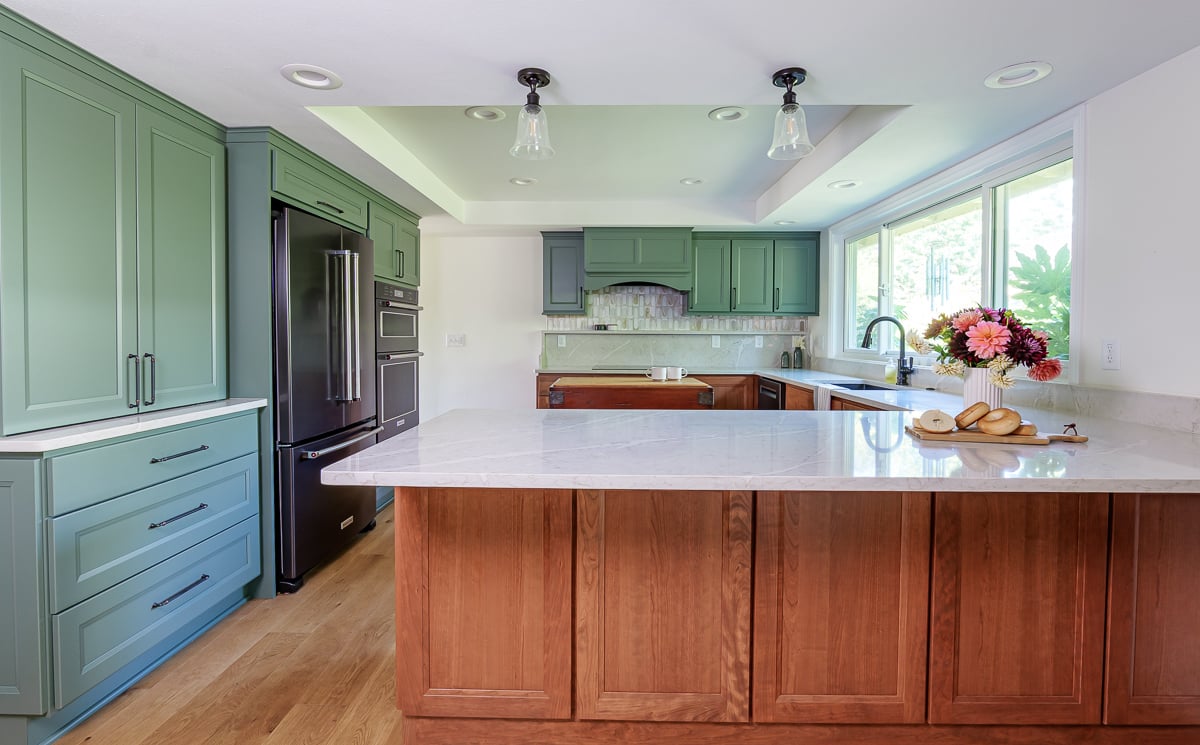
The cost premium over a pull-and-replace comes almost entirely from the trades work involved in moving utilities and making structural changes. As a general rule, the more you change the original footprint and infrastructure of your kitchen, the more your remodel will cost. For homeowners who plan to stay in their home long-term and want a kitchen that genuinely reflects their lifestyle, a full custom remodel typically delivers the highest satisfaction—and the strongest return on investment at resale.
Where Does the Money Go? A Kitchen Remodeling Cost Breakdown
Understanding the cost breakdown of a kitchen remodel helps you make smarter prioritization decisions before you finalize your budget. Using a $130,000 full custom remodel as a benchmark, here's roughly how costs are distributed across a typical project:
Cabinetry (approximately 23%) is almost always the single largest line item in a kitchen remodel. Custom and semi-custom cabinets involve significant material and labor costs—from the wood selection and construction to professional installation. Because cabinets also set the visual tone for the entire space, most homeowners rightfully treat this as the area worth investing in.
Plumbing and electrical (approximately 15%) reflects the cost of licensed tradespeople making changes to your kitchen's utility infrastructure. This is why keeping appliances and the sink in their existing locations is one of the most effective cost-saving strategies available. Every time a plumber or electrician has to move a line, the cost climbs quickly.
Finish work (approximately 15%) covers the detail carpentry that makes a remodel look complete—drywall repairs, moldings, door casings, and the dozens of small touches that tie the visual elements together. It's time-intensive, skilled work that's easy to underestimate.
General and administrative costs (approximately 10%) cover the operational overhead of running a professional remodeling company: project management, site supervision, vehicles, equipment, and the logistics that keep a project on schedule.
Appliances (approximately 10%) vary widely based on brand and specification. A mid-range appliance package lands in a very different place than a professional-grade suite from Sub-Zero or Wolf. Bundled appliance packages often offer savings and ensure a cohesive look.
Countertops (approximately 8%) include both the material and the precision work of measuring, cutting, transporting, and installing slabs. Quartz and granite are the dominant choices at mid-to-upper price points due to their durability and resale appeal.
Tile and flooring (approximately 8%) blends material costs with skilled installation labor. Both the backsplash and the floor factor into this category, and the choice of material—ceramic, porcelain, hardwood, LVP—has a meaningful impact on the final number.
Demolition (approximately 6%) involves more than tearing things out. Done properly, it requires understanding load-bearing structures, protecting what needs to remain, and preparing the space cleanly for construction.
Design (approximately 5%) covers the professional planning work that produces construction drawings, 3D renderings, and material specifications. While it represents a small share of the total budget, good design often saves significantly more than it costs by preventing expensive mistakes during construction.
Hidden Costs to Budget For
Even the most carefully planned kitchen remodel can surface unexpected expenses once demolition begins. Water damage behind walls, outdated wiring that doesn't meet current code, and subfloor issues are all common discoveries that aren't visible until the old kitchen comes out. This is why we recommend setting aside a contingency fund of 10–15% of your total project budget before construction begins. It's not a pessimistic move—it's a practical one that keeps your project on track when reality differs from what the plans anticipated.
Beyond surprises during construction, there are several costs that homeowners commonly overlook in initial budgeting: temporary kitchen setup during the remodel, permits and inspections, delivery and haul-away fees for appliances, and the cost of eating out more frequently during construction. For a full accounting of what to watch for, our guide to the 5 Hidden Costs of Kitchen Remodeling covers each of these in detail.
Material Quality Tiers: Good, Better, Best
One of the most practical frameworks for making budget decisions is thinking about material selections in tiers. At Lamont Bros., we typically describe these as Good, Better, and Best.
Good represents quality materials at accessible price points—products that perform reliably and look attractive without carrying a premium for brand or advanced features. At this tier, you might choose stock or semi-custom cabinetry, laminate or entry-level quartz countertops, and standard appliance brands.
Better reflects enhanced materials with improved durability, more design options, and longer expected lifespans. Semi-custom cabinetry with more finish choices, mid-tier quartz or granite countertops, and appliances with more features and better warranties typically fall here.
Best means premium materials selected for superior performance, aesthetics, and longevity. This tier includes fully custom cabinetry, high-end stone countertops, professional-grade appliances, and artisan tile work. These selections have the highest upfront cost and also tend to command the strongest response from buyers at resale.
The right tier for each element of your kitchen depends on how long you plan to stay in the home, what your priorities are, and where trade-offs make the most sense for your situation. An experienced designer can help you mix tiers strategically—investing heavily where it shows and saving where it doesn't.
Strategies for Managing Your Kitchen Remodel Budget
There's no single right way to approach kitchen remodel budgeting, but a few principles consistently help homeowners get better outcomes.
Define your priorities before you start. Cabinets, plumbing, and finish work alone account for more than half of a typical kitchen remodel budget. Knowing which elements matter most to you before you begin gives you a clear basis for trade-off decisions when they inevitably come up.
Avoid unnecessary layout changes. Moving the sink, dishwasher, or major appliances requires rerouting plumbing and electrical—one of the fastest ways to increase cost. If your existing layout is workable, preserving it can save thousands while still delivering a completely transformed kitchen.
Invest in design. Professional design work typically represents about 5% of a project budget, but it pays dividends throughout construction by preventing costly mistakes, optimizing the use of space, and ensuring all materials and elements work together before anything gets built.
Use value engineering. Value engineering is the process of finding cost-efficient alternatives that achieve the same design intent at a lower price. A skilled designer will know where premium materials make a visible difference and where a more affordable option achieves the same result. This isn't about cutting corners—it's about spending strategically.
Plan for contingency. Build 10–15% into your budget for unexpected discoveries. Treating this as a required budget line rather than an afterthought prevents mid-project stress and scope reductions if something unexpected turns up.
How to Finance a Kitchen Remodel
Most homeowners don't pay for a kitchen remodel entirely out of pocket, and they don't need to. Several financing options can make a kitchen remodel accessible through manageable monthly payments. The most common approaches include home equity loans, home equity lines of credit (HELOCs), cash-out refinancing, and renovation-specific loan products.
Home equity financing tends to offer the most favorable terms for homeowners who have built meaningful equity. A home equity loan provides a lump sum at a fixed rate, which works well when your project scope and costs are clearly defined. A HELOC functions more like a credit line that you draw from as needed—useful for projects where costs may be distributed over a longer period or where flexibility matters.
For a full overview of available financing options and how to evaluate them, see our kitchen remodel financing guide. Not sure where your project might land? Our kitchen remodel cost calculator can give you a personalized starting point based on your specific situation.
The Return on Investment: What a Kitchen Remodel Is Worth
A kitchen remodel consistently ranks among the home improvements with the best return on investment. The kitchen is the most scrutinized room in a home sale—it's where buyers linger during showings, where listing photos either create excitement or fall flat, and where the perceived quality of the home is largely established.
A thoughtfully executed kitchen remodel doesn't just add value. It repositions the home into a higher competitive tier. A dated kitchen competes at one price bracket; a high-quality, move-in-ready kitchen competes at a higher one. The financial return comes both from the dollar-for-dollar recoup on materials and labor and from the broader repositioning that a strong kitchen enables.
The elements that add the most value at resale tend to be full cabinet replacement, premium countertops (particularly quartz, which buyers view as a low-maintenance long-term asset), and a cohesive, high-quality appliance suite. These are the features buyers notice, remember, and talk about after a showing. For a detailed look at where remodeling investment creates the strongest returns, see our guide to what adds the most value in a kitchen remodel.
Understanding Your Investment
There's no single answer to how much a kitchen remodel costs—and anyone who gives you one without asking questions first isn't giving you useful information. A $25,000 cosmetic refresh and a $120,000 full custom remodel are both real projects with real price tags. They just solve different problems.
The right budget starts with the right questions: What does your kitchen actually need? How long do you plan to stay in the home? Where are you willing to spend more, and where are you comfortable saving? Those answers matter far more than any national average.
Ready to get a clearer picture of what your kitchen remodel might cost? Use our kitchen remodel cost calculator to build a personalized estimate, or schedule a consultation with our team to talk through your specific project..
Check out our kitchen remodel portfolio.
Explore more in our Ultimate Kitchen Remodeling Guide:
-1.jpg)