Sintered stone is a popular choice for kitchen and bathroom remodels because of its durability, heat and stain resistance, and low maintenance. It's engineered to be harder than granite, doesn't require sealing, and is made without the silica content that's raised health concerns around quartz manufacturing in recent years.
Dekton, made by Cosentino, is the most established name in sintered stone and the brand most homeowners encounter first. But it isn't the only option — TheSize Neolith and Lapitec are two other well-regarded countertop manufacturers worth knowing about.
At Lamont Bros., we've installed sintered stone countertops in dozens of Portland-area kitchen remodels. This guide covers what the material actually is, how the major brands compare, what it costs, and where to source it locally.
Key Takeaways
- Sintered stone is an engineered countertop material made by fusing natural minerals — quartz, porcelain, and glass — under extreme heat and pressure, a process called sintering. It's harder than granite, non-porous, and doesn't require sealing.
- Sintered stone is manufactured by several companies, including Cosentino, TheSize Neolith, and Lapitec.
- Sintered stone is more expensive than quartz or granite, but less expensive than premium natural stone like marble.
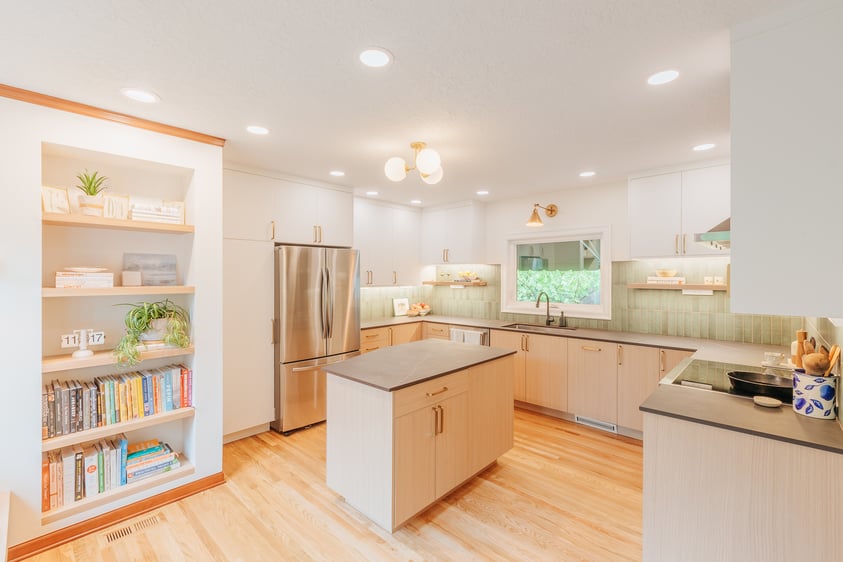
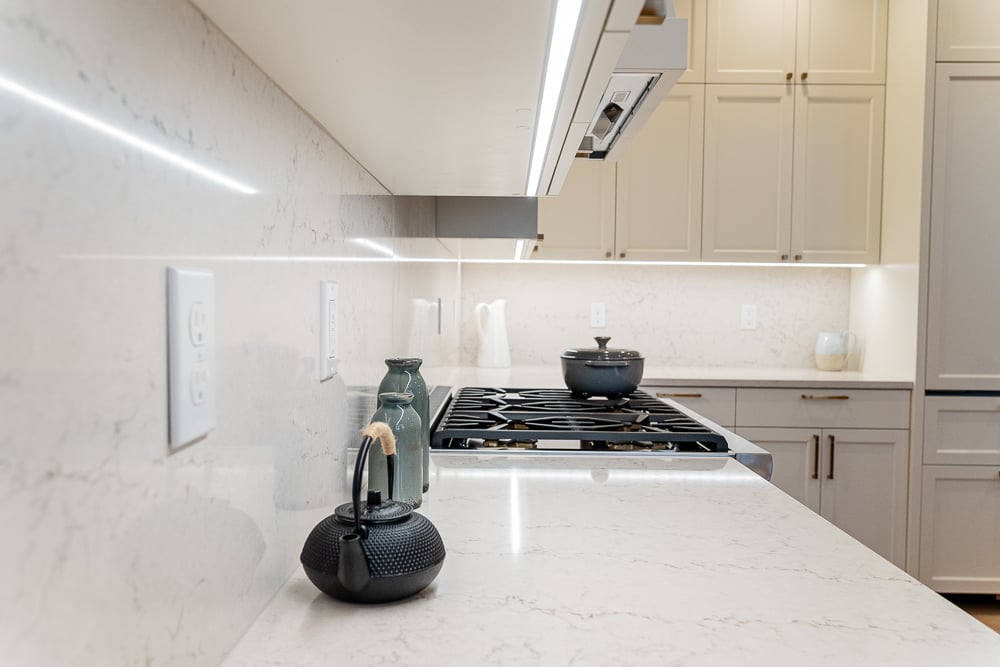
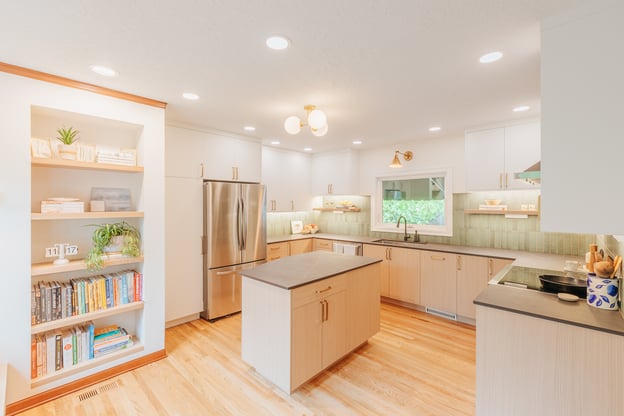
View this kitchen remodel featuring sintered stone countertops
What Is Sintered Stone?
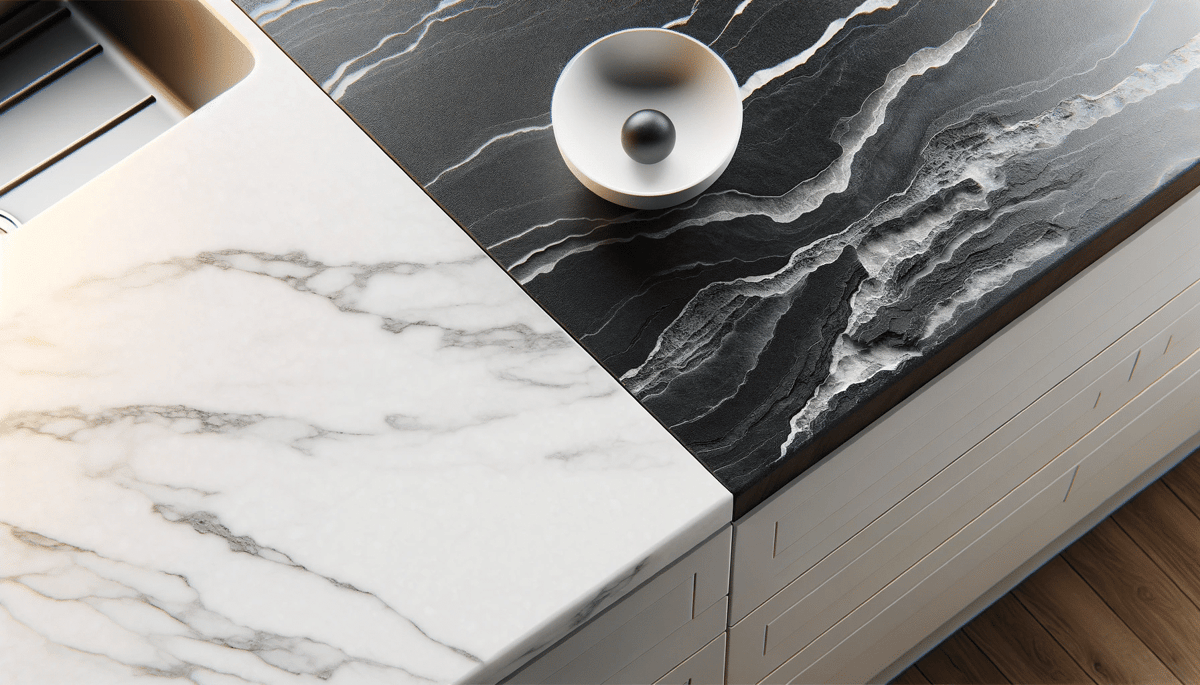
Sintered stone is an engineered surface made by combining natural minerals — typically quartz, porcelain, and glass — and compressing them under extreme heat and pressure. The process mimics how natural stone forms geologically, just compressed into hours instead of millennia. The result is a dense, non-porous slab that doesn't require sealing and resists heat, scratches, and stains far better than most natural stone.
Dekton, Neolith, and Lapitec: How the Major Brands Compare
All three brands use a similar sintering process, but they differ in slab availability, finish options, and reputation:
- Dekton (Cosentino): The most widely available sintered stone brand in the U.S., with the broadest color and finish selection. Backed by a 25-year warranty when installed by a certified installer.
- Neolith (TheSize): A close competitor to Dekton, known for a wide range of large-format slabs and outdoor-specific product lines.
- Lapitec: An Italian brand known for full-body coloring in some collections, meaning the color runs through the entire slab rather than sitting only on the surface — a notable difference from Dekton's surface-only patterning.
For most Portland homeowners, Dekton's availability and dealer network make it the practical default — but if continuous through-body patterning is a priority, Lapitec is worth a conversation with your designer.
Related Resources:
Pros and Cons of Sintered Stone
Pros:
- Extremely durable — resistant to heat, scratches, and stains
- Non-porous, so no sealing is ever required
- Consistent patterning across large kitchens with multiple slabs
- Lower silica content than quartz
- Suitable for outdoor kitchens and fireplace surrounds, unlike many natural stones
Cons:
- Higher upfront cost than quartz or laminate
- Brittle at the edges if not installed by an experienced fabricator
- Patterning typically appears on the surface only, not through the full slab (with some exceptions, like certain Lapitec collections)
- Fewer fabricators are experienced with it compared to quartz or granite, which can limit your contractor options
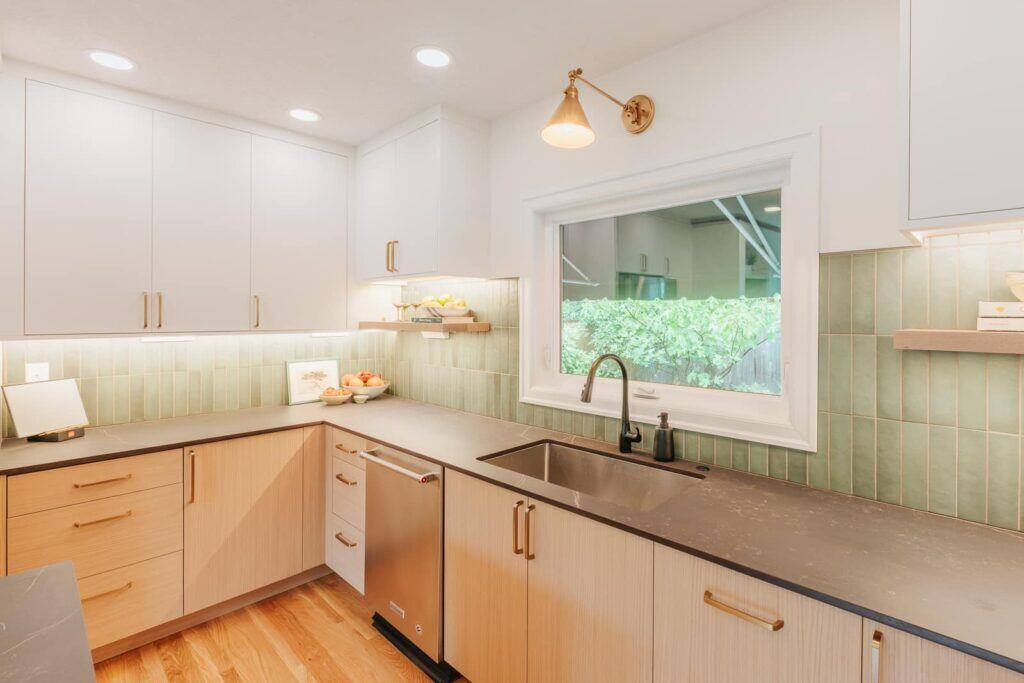
How Much Does Sintered Stone Cost, Installed?
Sintered stone typically runs $60 to $120 per square foot installed, depending on the brand, slab thickness, and complexity of your layout. Material-only costs (before fabrication and installation) tend to fall in the $20–$50 per square foot range. For context, we've seen material costs alone exceed $12,000 on larger kitchen projects before labor is factored in.
Because pricing varies significantly by fabricator and project complexity, the most reliable way to budget is with a quote specific to your kitchen's layout. Our cost calculators can give you a starting estimate based on your project scope.
Why Sintered Stone Installation Isn't a DIY Project
Sintered stone's hardness is a strength once it's installed — and a real liability during installation. The slabs require specialized diamond blades to cut, precise handling to avoid cracking, and experienced fabricators who know how to manage the material's brittleness at the edges. We've seen sintered stone slabs crack from impacts during transport or installation that wouldn't damage quartz or granite. This is a material where hiring an experienced, certified installer matters more than it does for most other countertop options.
Where to Buy Sintered Stone Countertops in Portland
Cosentino has a showroom in Tualatin, though it's best accessed via a designer or contractor.
Lamont Bros. has samples of Sintered Stone countertops in our West Linn Showroom and we'd be happy to talk about your countertop options.
There are some local fabricators, like De La Tierra, who offer sintered stone for homeowners looking to go the DIY route.
Working with a design-build firm rather than sourcing the material separately has a real advantage: your designer and installer are on the same team from the start, which matters given how installation-sensitive this material is.
Questions About Countertops and Remodeling?
Ready to start remodeling, but don’t want to face the challenge of transforming your kitchen alone? If so, click the button below to schedule a free design consultation with a member of our team. We’ll help you plan your remodel so it’s smooth sailing from the start.

-1.jpg)