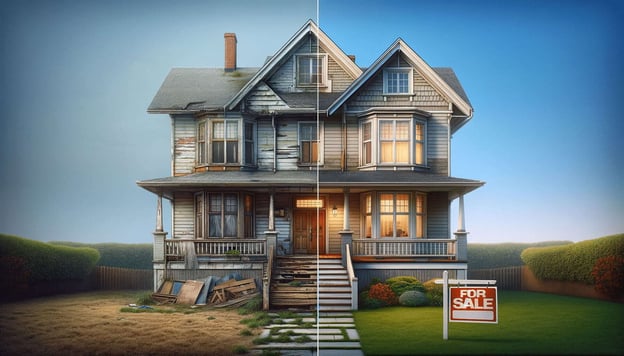
When the time comes to put your home on the market, chances are, you want it to sell quickly and for as much as you can get. That’s why it’s important to present your home as a space that potential buyers can envision as their own. But like most homes, yours probably needs a little work before it’s ready to face potential buyers. To make sure your home fetches top dollar when it goes on the market, you’ll want to prioritize specific home improvements before selling.
When it comes to selling your home, specific, targeted improvements can often be far more beneficial than extensive renovations. At Lamont Bros. Design & Construction, we’ve worked with dozens of Portland homeowners to help them prioritize improvements before selling their homes. From simple aesthetic tweaks to essential repairs, it’s all about knowing which changes to make so you get the most return on your investment.
To help you prepare for selling your home, this article will discuss several general principles of resale value and what specific improvements you can prioritize to maximize your return on investment. These principles are grounded in understanding the buyer’s mindset and identifying which home improvements are worthwhile. The topics we’ll discuss include:
- How to Enhance Curb Appeal
- Which Interior Upgrades To Prioritize
- Resale Renovation Mistakes to Avoid
Curb Appeal: Why it Matters & How to Improve It
The interior of your home can be charming as can be, but if the exterior isn’t just as inviting, you’ll instantly lose prospective buyers. Curb appeal describes a home’s attractiveness when viewed from the street, and it directly influences the value of your home. Simple yet strategic updates to a home’s exterior can make a significant difference in its curb appeal.
Fresh Exterior Paint
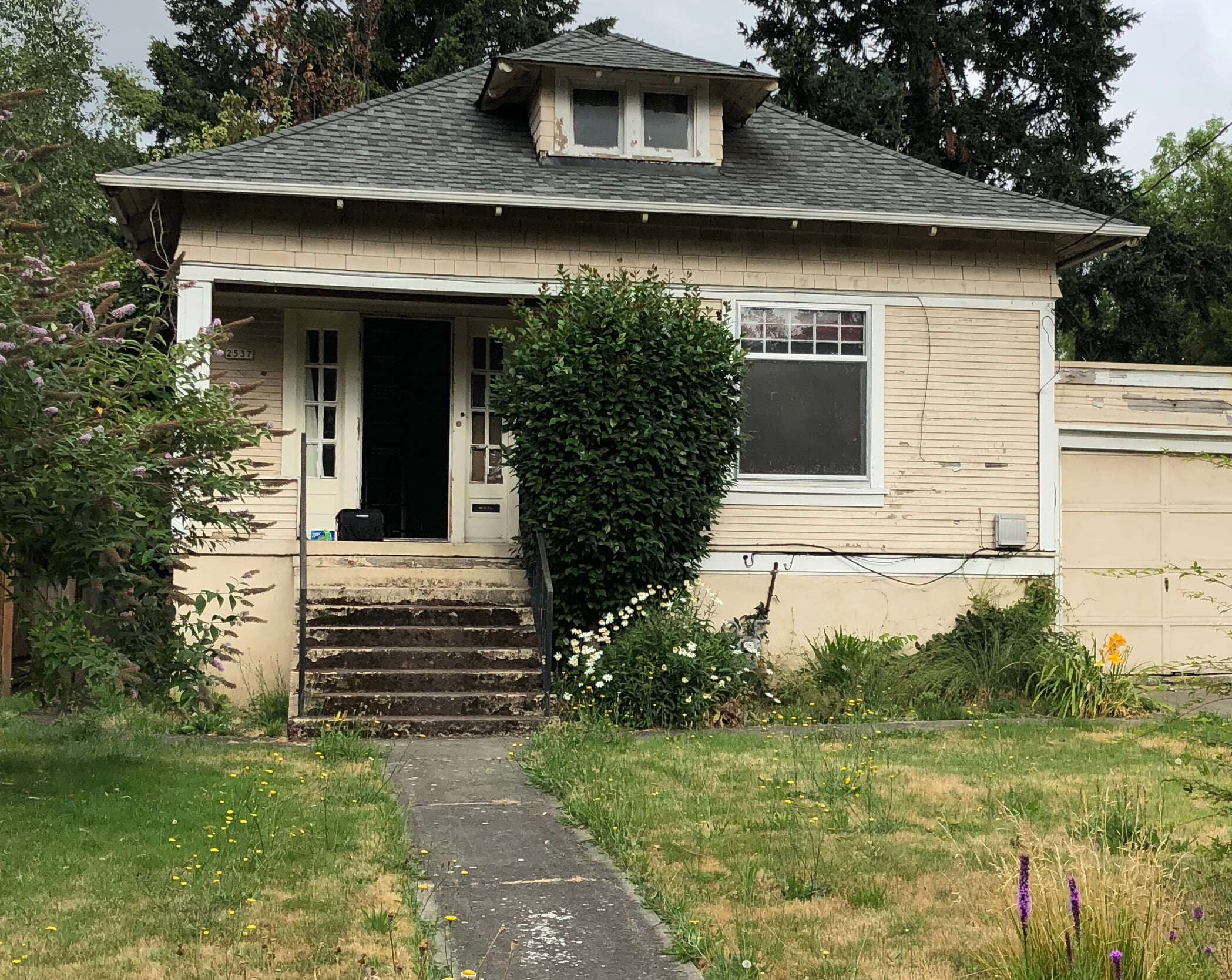
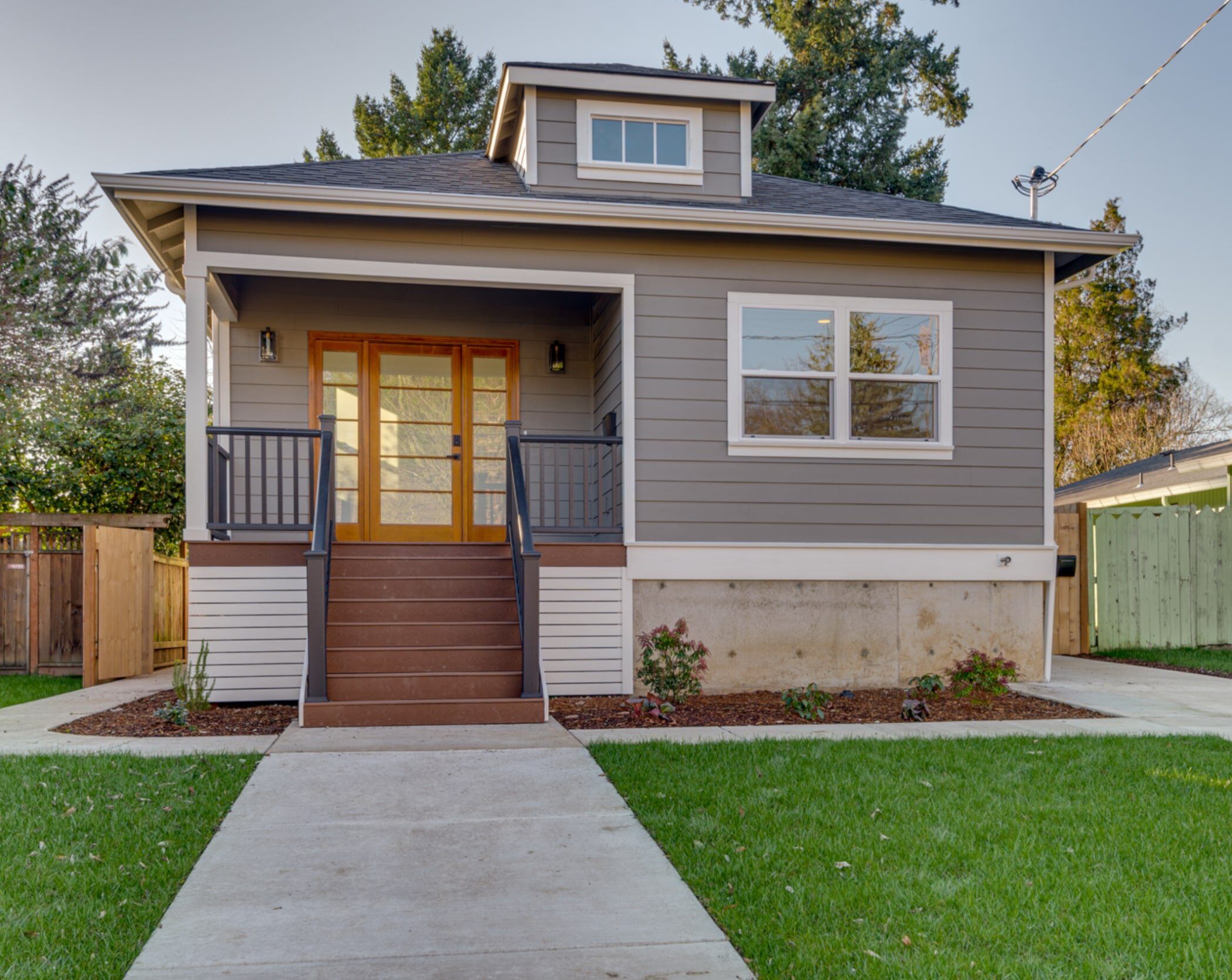
A fresh coat of paint on a home’s exterior can make the home appear newer, cleaner, and better-maintained than other homes on the market. Depending on the current state of your home’s exterior and the cost of the project, repainting your home could be a good investment.
On average, exterior paint costs anywhere from $5,000 – $15,000 depending on the size of your home. However, the return on investment for exterior paint can be as high as 152%. It’s important to consider the current state of your home and how much of an improvement a new coat of exterior paint could make. It’s possible that your current paint is holding up fine and the money could be better spent in areas that need more maintenance or improvement.
Upgrading the Front Door and Garage Door
The front door and garage door serve as key focal points in your home’s exterior design. By upgrading these elements, you can make a profound impact on the overall appearance of your property.
When considering replacing your front or garage door, it’s important to choose the style and color for these doors carefully. The right stylistic choices can enhance the aesthetic appeal of your home and increase its value dramatically. Remodeling Magazine’s Cost vs. Value Report identifies garage door replacements as one of the home improvement projects with the highest rate of return.
Landscaping for First Impressions
While an improvement to the home itself, landscaping is still a vital aspect of enhancing curb appeal.
The state of your lawn, the choice of plants, and the overall appearance of the property contribute significantly to the first impression your home makes. Thoughtful landscaping can elevate the aesthetic appeal of your property, potentially affecting its value and attractiveness to buyers.
A well-landscaped front yard can increase your home’s perceived value by approximately 6-13%. However, the real value in landscaping is in what it does to distinguish your homes from other homes on the market. Good landscaping can make your home more memorable and generate more interest among prospective buyers.
Which Interior Upgrades to Prioritize
When preparing your home for sale, the interior upgrades you choose can play a significant role in attracting potential buyers and adding value to your property. It’s not always about extensive renovations; sometimes, the right minor improvements can have a big impact. Here, we’ll explore some key interior updates that can make your home more appealing to buyers.
Fresh Interior Paint
Just as it does on the exterior, new paint on the interior of your home can work wonders. Warm, neutral colors are typically recommended because they appeal to a broad range of buyers and help make the space feel large and light.
You can potentially increase your home’s value by an average of 5% by repainting the interior. Keep in mind that painting over accent walls and non-neutral colors should be the priority if you can’t afford to repaint the whole house. It’s important to keep the home as much of a blank canvas as possible for the next owner. Homebuyers are much less likely to purchase or make generous offers on homes that will require them to do a lot of work themselves.
New or Refinished Floors
If your home’s flooring or carpet is outdated, upgrading the floors is another great way to add value to your home.
This is especially true for hardwood floors – refinishing them can significantly enhance the interior’s charm and appeal. This update is often more cost-effective than replacing the floors and can be a selling point for buyers who appreciate the quality and aesthetic of wood flooring.
In cases where your home has carpeting that is worn, outdated, or heavily stained, replacing it can be a wise move. Remember to choose a neutral, high-quality carpet to make the rooms feel fresh and inviting.
Cosmetic Refresh in Kitchens & Bathrooms
While you shouldn’t prioritize extensive home improvements before selling your home, you might still want to give your kitchen and bathroom some attention. This is especially true if the finishes are more than 15-20 years old.
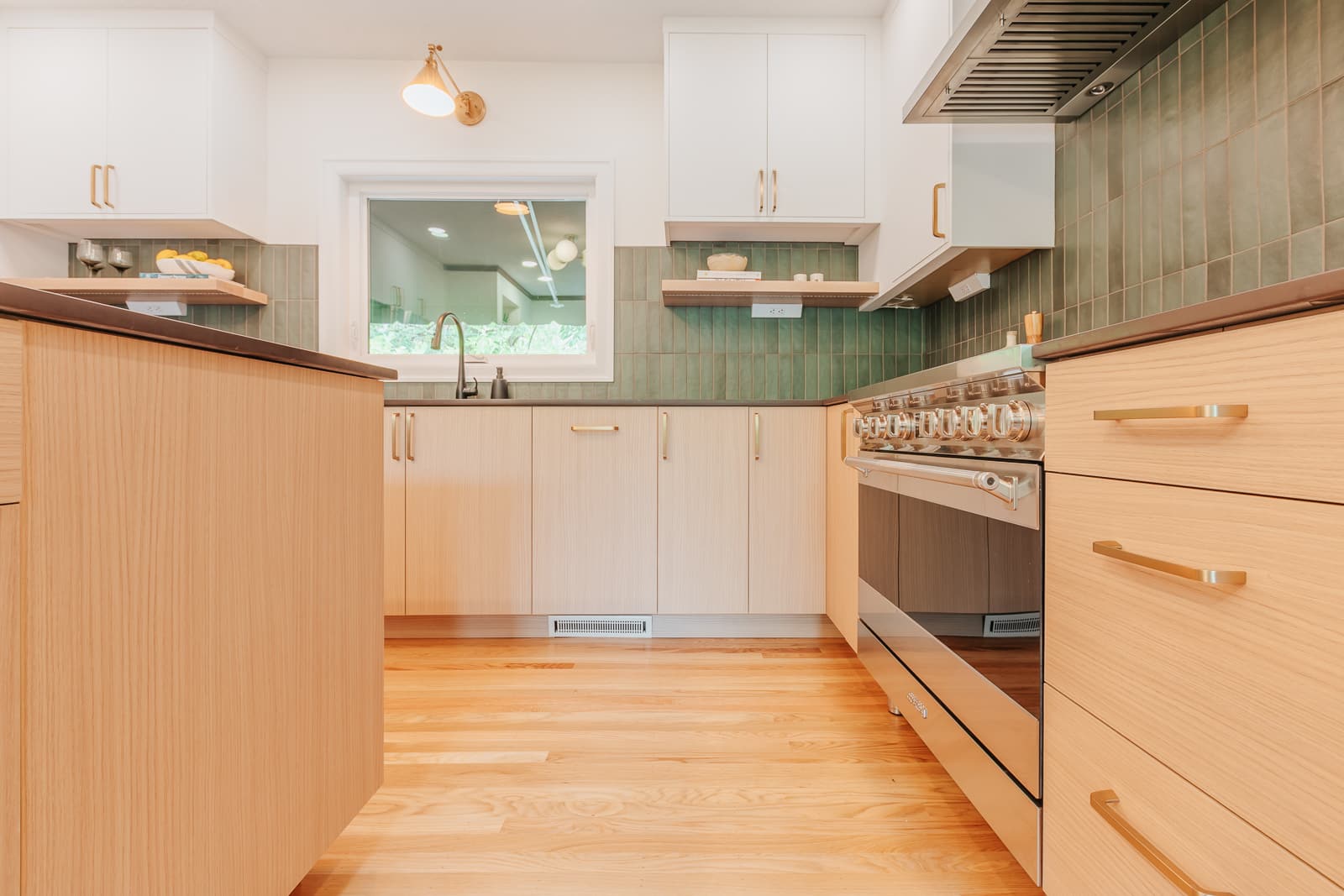
A cosmetic refresh is one of the least expensive types of remodeling projects you can do in a kitchen or bathroom. It involves updating or replacing some or all of the surface finishes without changing any major features or layout designs. The closer a kitchen or bathroom follows the design trends of the times, the faster it is likely to sell.
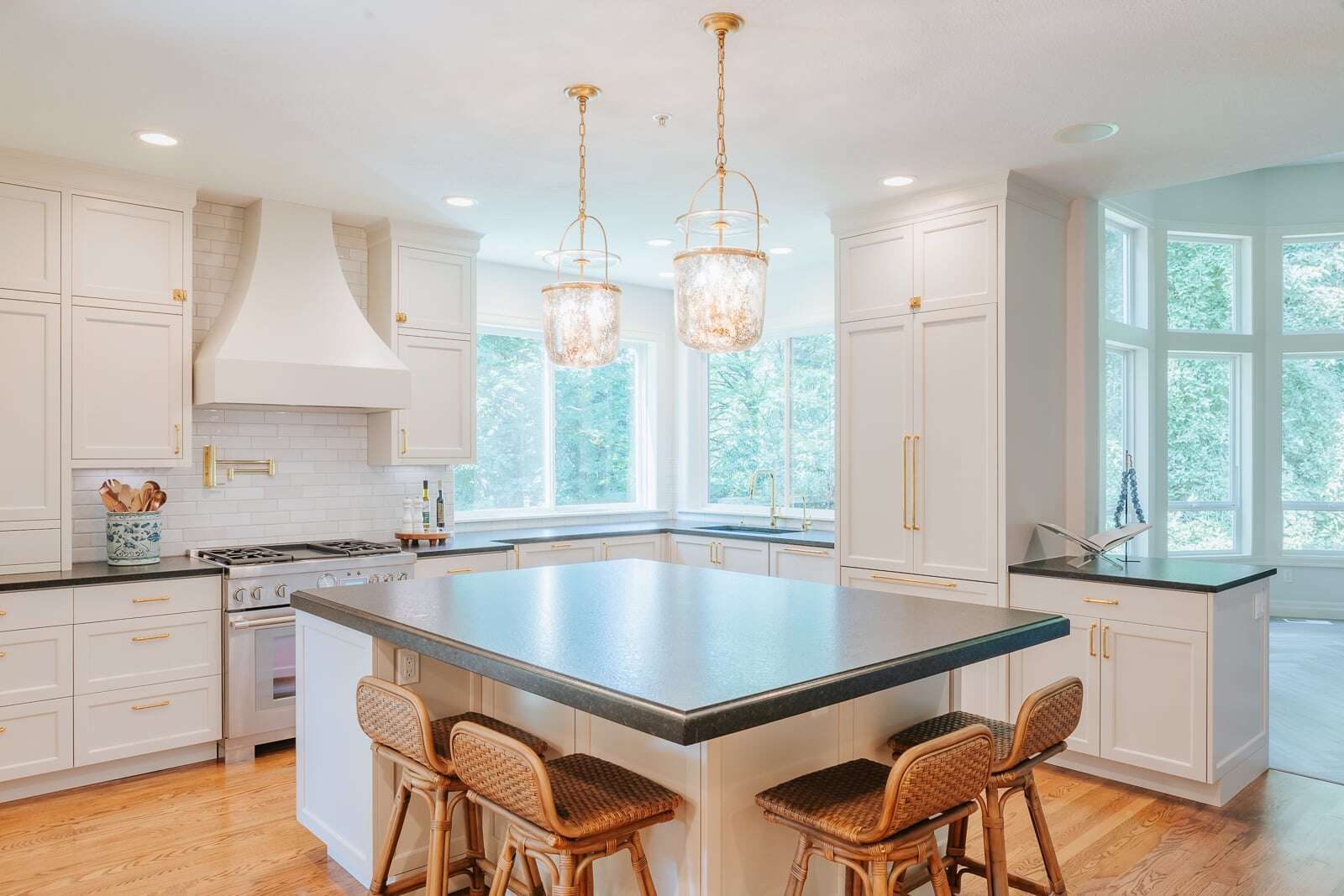
For example, in a kitchen, a cosmetic refresh might involve repainting cabinets, replacing countertops, installing new backsplash, and updating the lighting and plumbing fixtures. The goal for a project like this is to make surface-level changes so that the space better aligns with current design trends without incurring major costs.
Common Mistakes to Avoid When Renovating to Sell
In a bid to make their home more appealing to potential buyers, homeowners sometimes make certain renovation decisions that can inadvertently diminish the value they are trying to add. Here are some key mistakes to avoid:
Over Customizing Spaces
While personalizing your home to your tastes is great while you live there, over-customized features can be less appealing to the average homebuyer. When renovating to sell, it’s important to remember that potential buyers may not all share the same tastes.
Extremely bold design choices or unconventional renovations can limit the pool of interested buyers or even decrease the perceived value of the home.

Neglecting the Target Market
Understanding your target market is crucial when preparing your home for sale. Different demographics and locations may have varying preferences.
For instance, a family-oriented neighborhood might highlight functionality and multi-generational living over pure design aesthetics.
On the other hand, urban areas might prioritize sleek, modern aesthetics and spaces designed for young adults rather than growing families.
Tailoring your renovations to suit the preferences of the likely buyers in your area can make your home more attractive to them.
Overspending on Unnecessary Upgrades
It can be tempting to go all out on renovations in hopes of achieving a higher sale price, but not all upgrades provide a good return on investment. As a general rule of thumb, the higher the cost of the renovation, the lower the return on investment.
Luxurious upgrades typically don’t yield a positive return immediately upon completion. That’s why it’s important to balance the cost of renovations with the potential increase in home value they are likely to bring. Investing in several smaller, high-return improvement projects that are important to buyers, such as exteriors, flooring, and paint, is usually a safer bet than overspending on less impactful upgrades.
Thinking About Renovating Before You Sell?
Now that you understand more about what home improvements to prioritize before selling your home, do you feel more confident being able to move forward in your plans to sell? If so, continue your research by exploring the different ways you can fund home improvement projects. Download our free Remodel Funding Guide to start learning about your options for financing your next remodel.
Want to talk to a professional designer about your home improvement plans? Click the button below to schedule a free design consultation with a member of our team. We’ll help you understand the renovation process and explore your options for transforming your home.