Although small, cabinet pulls and door handles can have a big impact on the design and functionality of your home. It’s important to carefully consider your options before choosing which products and materials are best for you. To make this decision easier, let’s break down your cabinet and door hardware options in terms of good, better, and best.
At Lamont Bros. Design & Construction, we guide homeowners through the kitchen and bathroom remodeling process, helping them explore which features and products will best enhance their spaces. When it comes to cabinet and door hardware, we recognize that the sheer volume of product offerings on the market can be difficult to sift through and find the ones that best fit your needs.
In this article, we’ll examine the various types of cabinet pulls and door handles, categorizing them into good, better, or best. By the end of this read, you’ll have a comprehensive understanding of which hardware materials and products might be the perfect fit for your project. The specific options we’ll delve into include:
- Good: Chrome and Stainless Steel
- Better: Brushed and Polished Finishes
- Best: Black Brass, Brushed Gold, and Specialty Finishes
Good: Chrome and Stainless
When embarking on a kitchen or bathroom renovation, the choice of cabinet and door hardware plays a crucial role in both functionality and design. Among the vast array of options, chrome and stainless steel represent the “good” category—offering durability, style, and affordability for homeowners working within a budget.
For product designs in the good category, you’ll find primarily knobs and levers for both cabinet and door hardware options. Knobs and levers tend to be more affordable and subtle in their appearance but can be difficult to grab.
Chrome Hardware
Chrome hardware features a distinct, mirror-like sheen that makes it a popular choice for modern and traditional home designs alike. Achieved by electroplating a thin layer of chromium onto a metal or plastic base, chrome offers both a sleek appearance and a protective outer coating.
Advantages of Chrome Hardware:
Visual Appeal: Chrome’s shiny finish is visually striking, making it a standout choice for modern and contemporary designs.
Affordability: As a cost-effective option, chrome allows for an aesthetic update without a significant financial investment.
Disadvantages:
Maintenance: Prone to showing fingerprints and water spots, chrome requires frequent cleaning to maintain its gleaming appearance, which may not be ideal for busy or low-maintenance households.

Stainless Steel Hardware
Stainless steel is a metal alloy made of iron with a mixture of carbon and chromium. These additional ingredients give stainless steel its revered anti-corrosive properties. It is both strong and visually appealing, making it a go-to for decorative items that still need to be able to take a beating.
Advantages of Stainless Steel Hardware:
Durability: Known for its resistance to corrosion and tarnishing, stainless steel is particularly suitable for high-moisture environments like kitchens and bathrooms.
Cohesive Look: Because it is so commonly used, stainless steel hardware easily matches a variety of home appliances, ensuring a unified design across your space.
Disadvantages of Stainless Steel Hardware:
Subtlety: While durable and easy to match, stainless steel’s understated look might not make the bold design statement some homeowners seek, potentially blending too seamlessly into the background.
Better: Brushed and Polished Nickel, Oil Rubbed Bronze
The “better” category features options that offer a blend of enhanced aesthetic appeal and practical durability. Brushed and polished nickel, along with oil-rubbed bronze, stands out for its ability to elevate home interiors with a touch of warmth and sophistication while remaining relatively affordable.
In this category, cabinet hardware shifts towards pulls rather than knobs or levers. Cabinet pulls tend to be slightly more expensive but offer better grip and a more engaging visual design. For door hardware, a wider variety of premanufactured styles become available, offering more tailored solutions.
Brushed and Polished Nickel Hardware
Hardware made from nickel comes in two main varieties: brushed and polished. Brushed Nickel undergoes a brushing process that etches its surface with fine abrasives, creating a matte finish. Polished Nickel, on the other hand, is buffed to a mirror-like shine, offering a brighter and more reflective option.
Advantages of Nickel Hardware:
Aesthetic Flexibility: Whether brushed or polished, nickel hardware complements a wide range of interior designs, from the modern to the traditional.
Durability: Nickel finishes are known for their long-lasting qualities, resisting wear and maintaining their appearance over time.
Visual Warmth: Due to its chemical composition, nickel tends to have more warm color tones. Nickel’s warmer tone can add a gentle richness to spaces, providing a contrast to the cooler, more industrial look of stainless steel.
Disadvantages of Nickel Hardware:
Maintenance: While less prone to fingerprints than chrome, brushed and polished nickel finishes may still require regular cleaning to keep them looking their best.
Cost: Typically, nickel hardware comes at a higher price point than the basic chrome and stainless steel options, reflecting its enhanced quality and design features.
Oil Rubbed Bronze Hardware
Oil-rubbed bronze offers a striking contrast with its deep, rich tones, providing a classic or rustic look that can add depth and character to any space. It is made using a chemical process that darkens the surface, simulating an aged bronze appearance.
Advantages of Oil Rubbed Bronze Hardware:
Visual Impact: The distinctive dark finish of oil-rubbed bronze hardware makes a bold statement, ideal for adding visual interest to a room.
Classic Appeal: Perfect for traditional or rustic designs, oil-rubbed bronze exudes an ageless quality that can complement a variety of classic styles.
Disadvantages of Oil Rubbed Bronze:
Scratch Visibility: The unique finish of oil-rubbed bronze can show scratches and wear more easily than other materials, potentially requiring more careful use or frequent replacements.
Variability: The finishing process for oil-rubbed bronze can result in variations from piece to piece, which may complicate efforts to achieve a uniform look across multiple fixtures.
Best: Black, Brass, Brushed Gold, and Specialty Finishes
The “best” category in cabinet and door hardware is where design meets luxury, offering homeowners the highest quality options with unique finishes and custom design possibilities. Black, brass, brushed gold, and other specialty finishes provide a palette for truly distinctive interiors, elevating the aesthetic of any home.
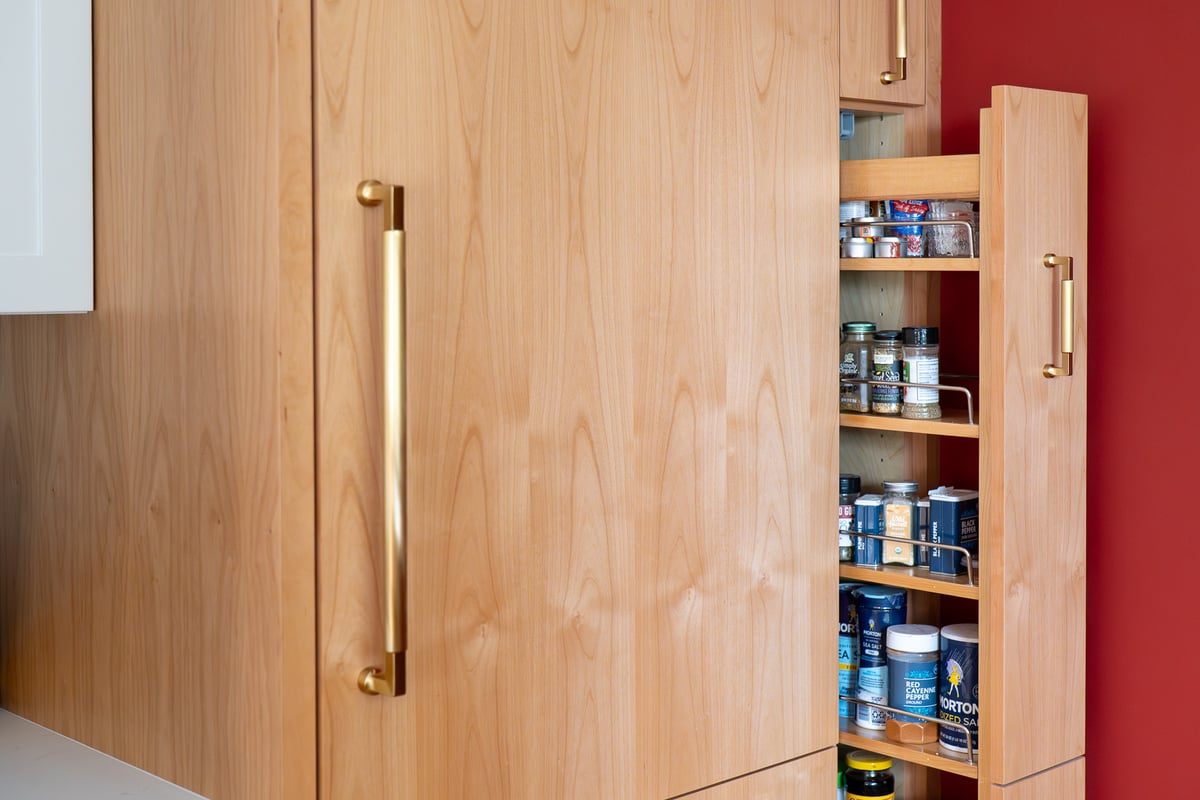
In this premier category, kitchen hardware often includes larger, more prominent cabinet pulls, custom shapes and designs, and integrated appliance pulls for a built-in appearance. Door hardware also features more custom designs and introduces electronic components for smart home integration, adding both style and advanced functionality, such as keyless or remote entry.
Black Hardware
Black hardware stands out for its bold, modern appeal, offering a stark contrast to lighter cabinetry or doors. With matte or gloss finishes, black hardware can add contemporary style and complement other modern design elements in a space.
Advantages of Black Hardware:
Modern Aesthetic: Black hardware provides a unique and contemporary look that can anchor a room’s design.
Versatility: In terms of color design, black can match well with a variety of color schemes and materials.
Disadvantages of Black Hardware:
Visibility of Marks: Depending on the finish, black hardware can show fingerprints and dust more than other hardware types, requiring regular cleaning to keep it pristine.
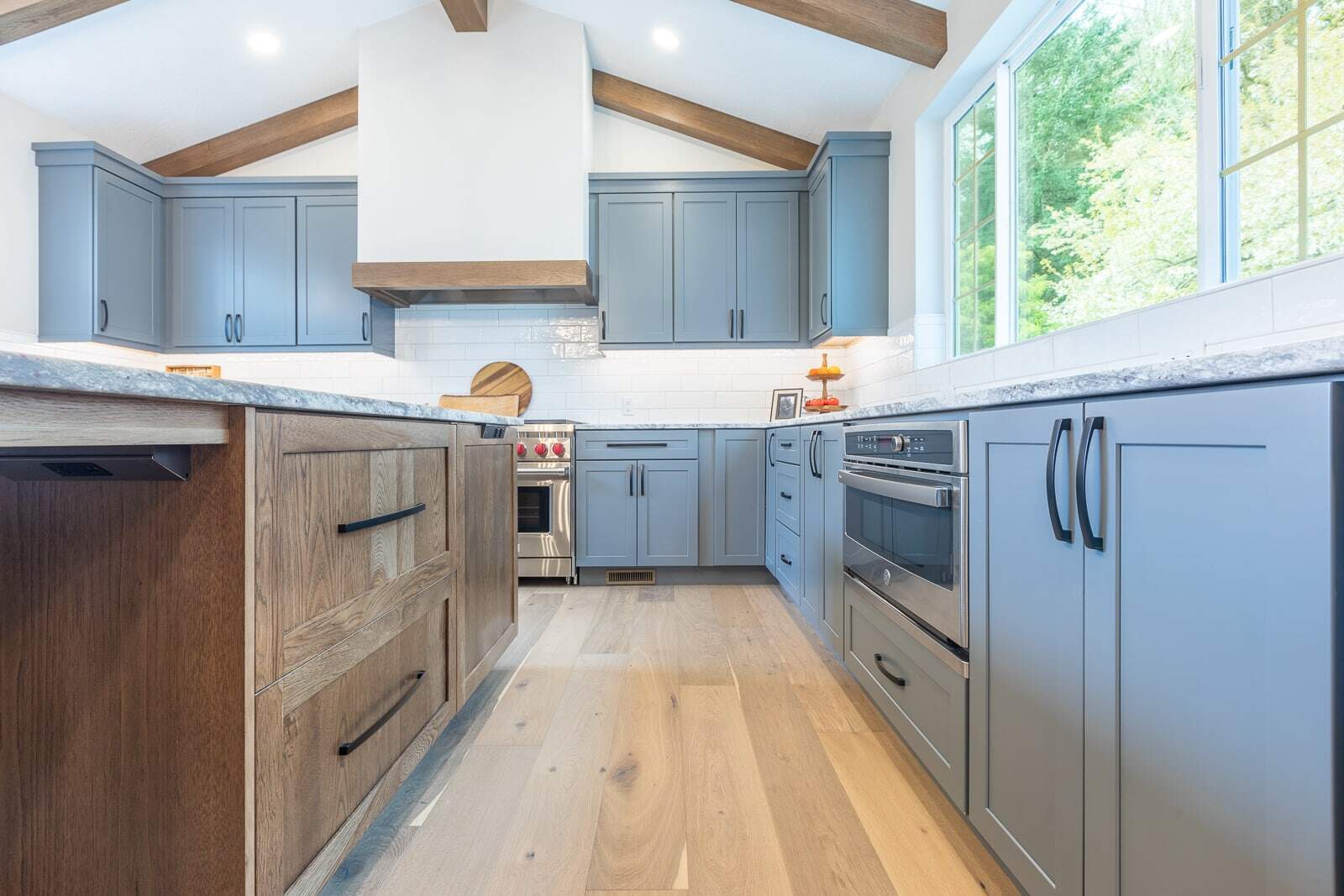
Lacquered Brass Hardware
Lacquered brass is coated with a clear protective finish that locks in its bright, polished look. It's the lower-maintenance version of brass—the coating resists tarnishing and keeps the shine consistent for years without any extra care.
Advantages of Lacquered Brass:
Consistency: The clear coat keeps the finish looking the same on day one and year five, with no polishing required.
Low Maintenance: A quick wipe with a soft cloth is all it needs; no special cleaners or upkeep routine.
Disadvantages of Lacquered Brass:
Eventual Wear: Once the lacquer coating does wear through, typically after many years of heavy use, the exposed brass underneath can tarnish unevenly and may need to be professionally re-coated or replaced.
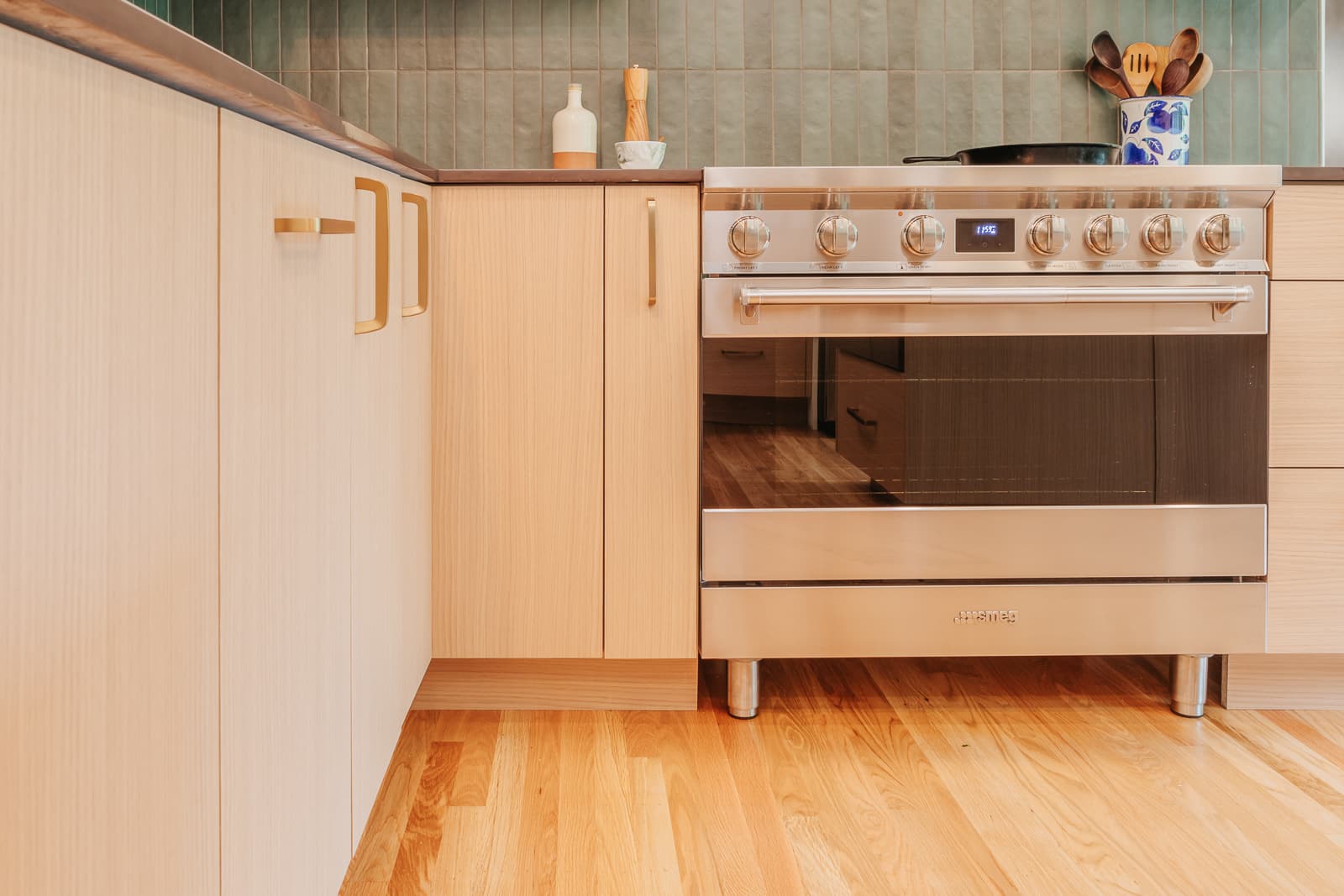
Unlacquered Brass Hardware
Unlacquered brass skips the protective coating entirely, which means the metal is left exposed to age naturally. Over time, and especially with regular hand contact, it develops a rich, varied patina that can't be replicated with a factory finish.
Advantages of Unlacquered Brass:
Living Finish: The patina that develops through everyday use gives each piece a one-of-a-kind character that deepens over time, a look many homeowners specifically seek out.
Timeless Warmth: Unlike a static finish, unlacquered brass tells the story of how the home is actually lived in.
Disadvantages of Unlacquered Brass:
Unpredictability: The aging process varies with handling and humidity, so it's harder to control exactly how quickly or evenly the patina develops.
Maintenance Choice: Some homeowners choose to periodically polish unlacquered brass to slow the patina; others let it age freely. Either approach works, but it's a decision to make upfront rather than after installation.
Brushed Gold Hardware
Brushed gold hardware offers a luxurious touch with its soft, matte finish, providing a subtle shimmer that enhances the sophistication of high-end designs.
Advantages of Brushed Gold:
Luxury Appeal: There’s nothing quite like gold to elevate the overall look of a space with its refined elegance.
Subtle Shine: Unlike polished finishes, brushed gold softly reflects light, creating a more serene and subtle visual element.
Disadvantages:
Cost: Brushed gold is often more expensive, reflecting its premium status in the market.
Maintenance: It may also require special cleaners to preserve the finish and prevent damage.
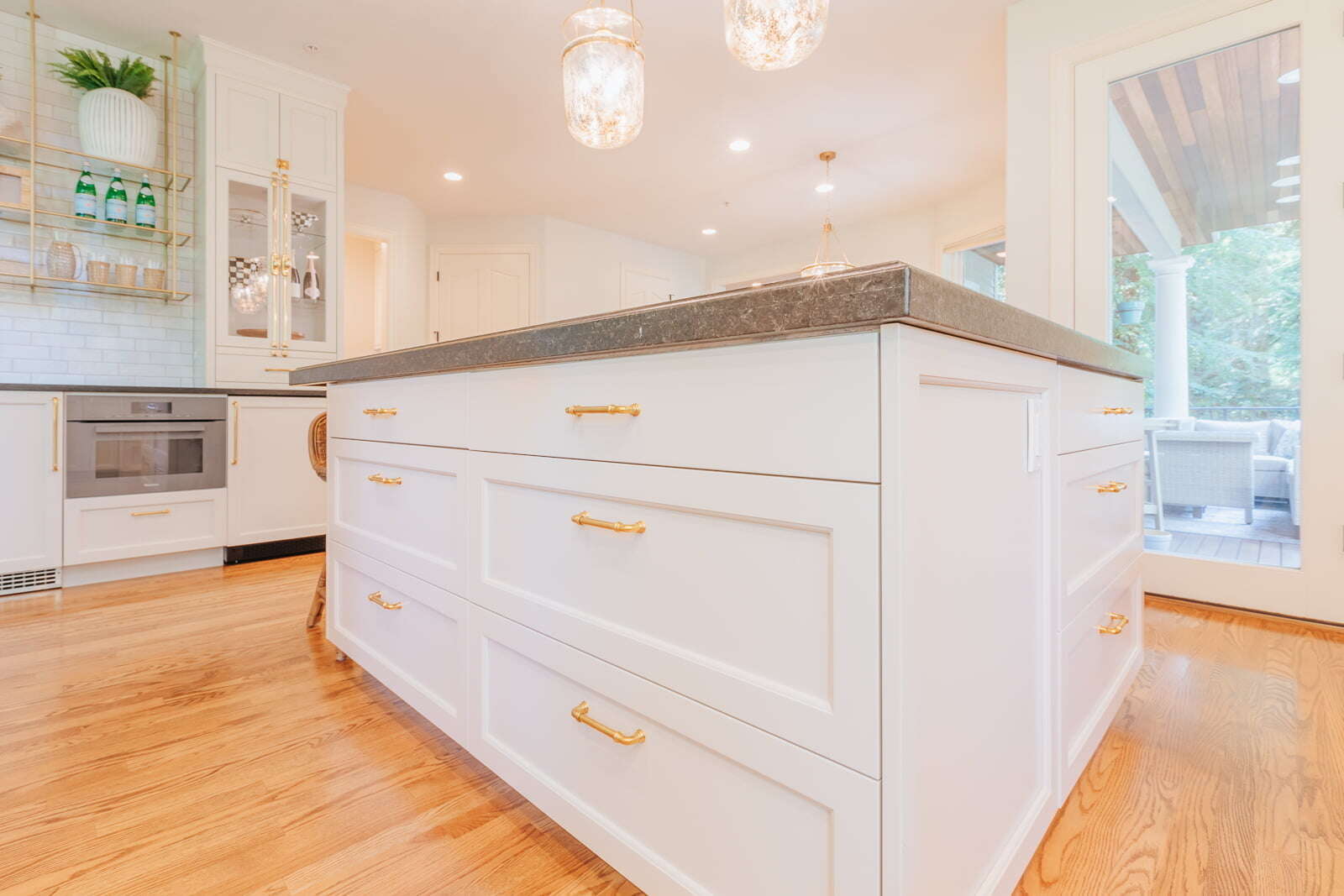
Mixed Metal Hardware
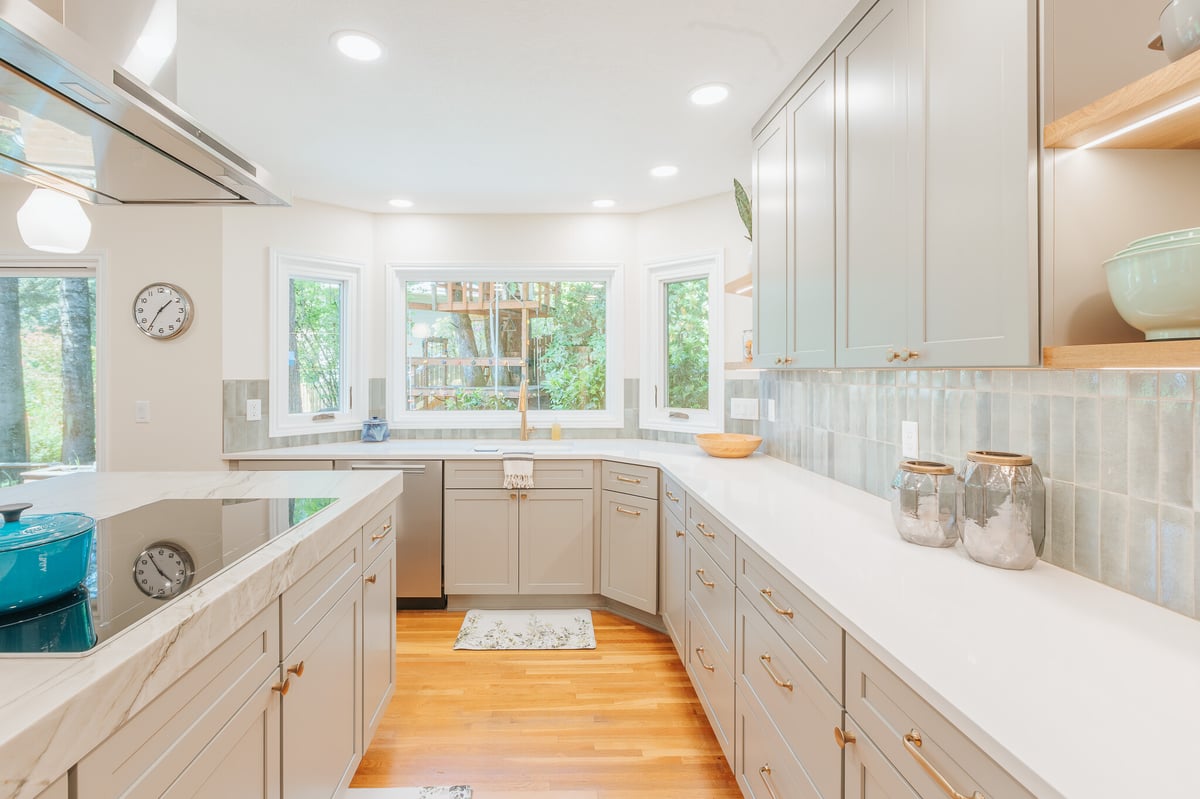
Matching every piece of hardware in a kitchen or bathroom to a single finish isn't a requirement—mixing two complementary metals is an increasingly common way to add depth without the space feeling disjointed.
Advantages of Mixed Metal Hardware:
Depth and Interest: Combining two finishes, like a warm brass pull with a matte black faucet, keeps a space from feeling flat or overly matched.
Flexibility: Mixed metals make it easier to introduce a new finish later (in a light fixture or accessory) without needing to replace existing hardware.
Disadvantages of Mixed Metal Hardware:
Risk of Feeling Unplanned: Without a clear pairing strategy, mixing finishes can look accidental rather than intentional.
A simple rule of thumb: pick one primary finish for the majority of your cabinet hardware, then use a second finish sparingly—in fixtures, hardware on an island or accent piece, or decorative accessories—so the mix reads as a deliberate design choice rather than mismatched leftovers.
Knurled and Textured Finishes
Where earlier trends favored flat, smooth hardware, more recent designs are leaning into texture. Knurled pulls, with a ridged, machined pattern etched into the metal, are becoming a favorite for adding tactile interest to an otherwise simple kitchen.
Advantages of Knurled and Textured Hardware:
Tactile Detail: The texture is felt as much as it's seen, adding a small sensory upgrade to something homeowners touch dozens of times a day.
Visual Depth: Ridges and grooves catch light differently than a flat surface, giving even a simple pull a more sculptural presence.
Disadvantages of Knurled and Textured Hardware:
Cleaning: The grooves can collect dust and grime more readily than a smooth surface, so they need slightly more frequent cleaning.
Specialty Finishes
Specialty finishes encompass a catch-all range of unique options, including but not limited to patinated, textured, or color-coated metals, offering an opportunity for personalization in home design.
Advantages of Custom hardware:
Uniqueness: Provides distinctive looks that can’t be replicated with standard finishes.
Customization: Allows for creative expression and tailor-made solutions.
Disadvantages of Custom Hardware:
Availability: Specific styles, materials, or designs may be harder to find and replace due to their unique nature. If you’re getting custom hardware, consider ordering extra in case the need to replace them arises down the road.
Cohesiveness: Mixing different specialty finishes can challenge achieving a harmonious look.
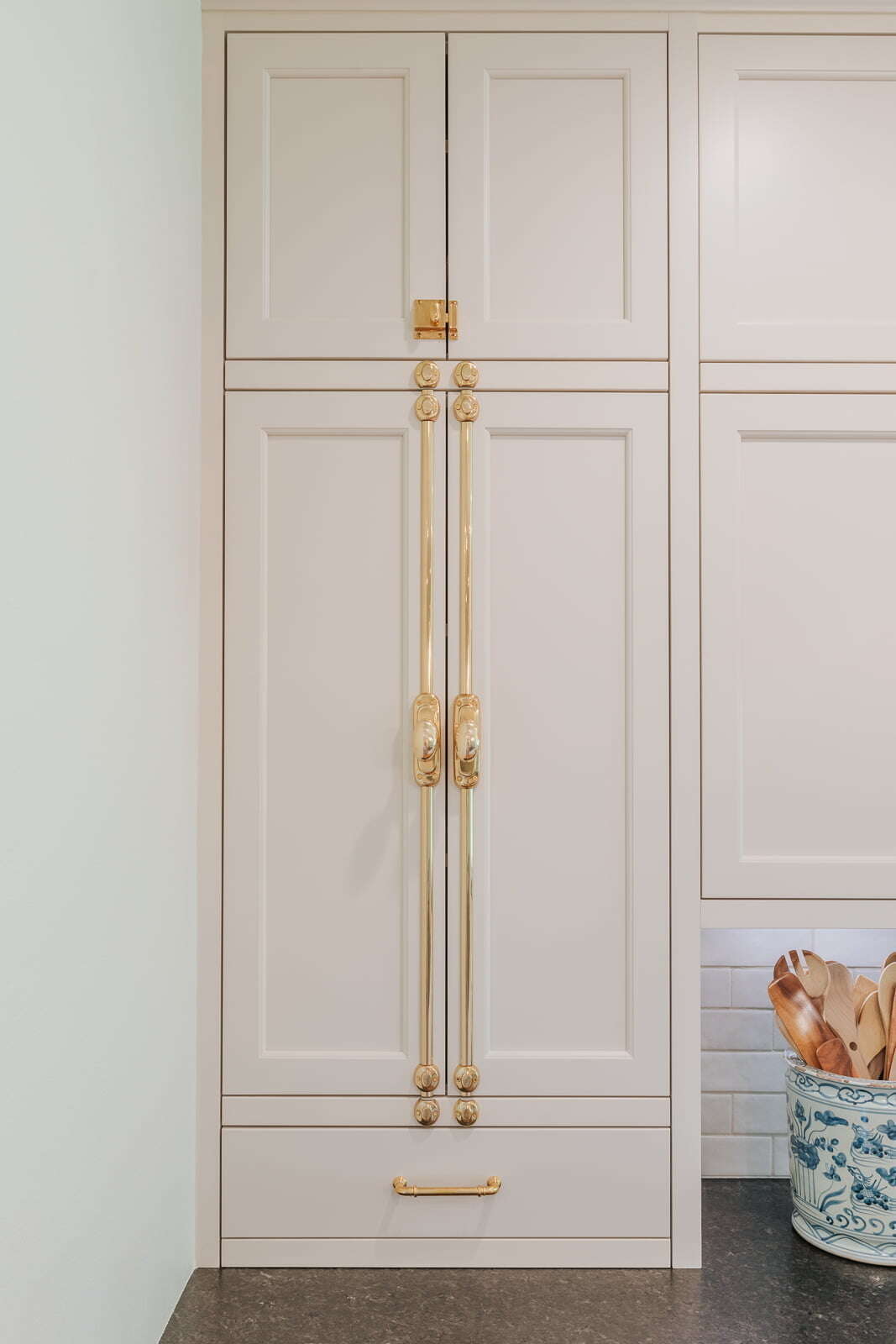
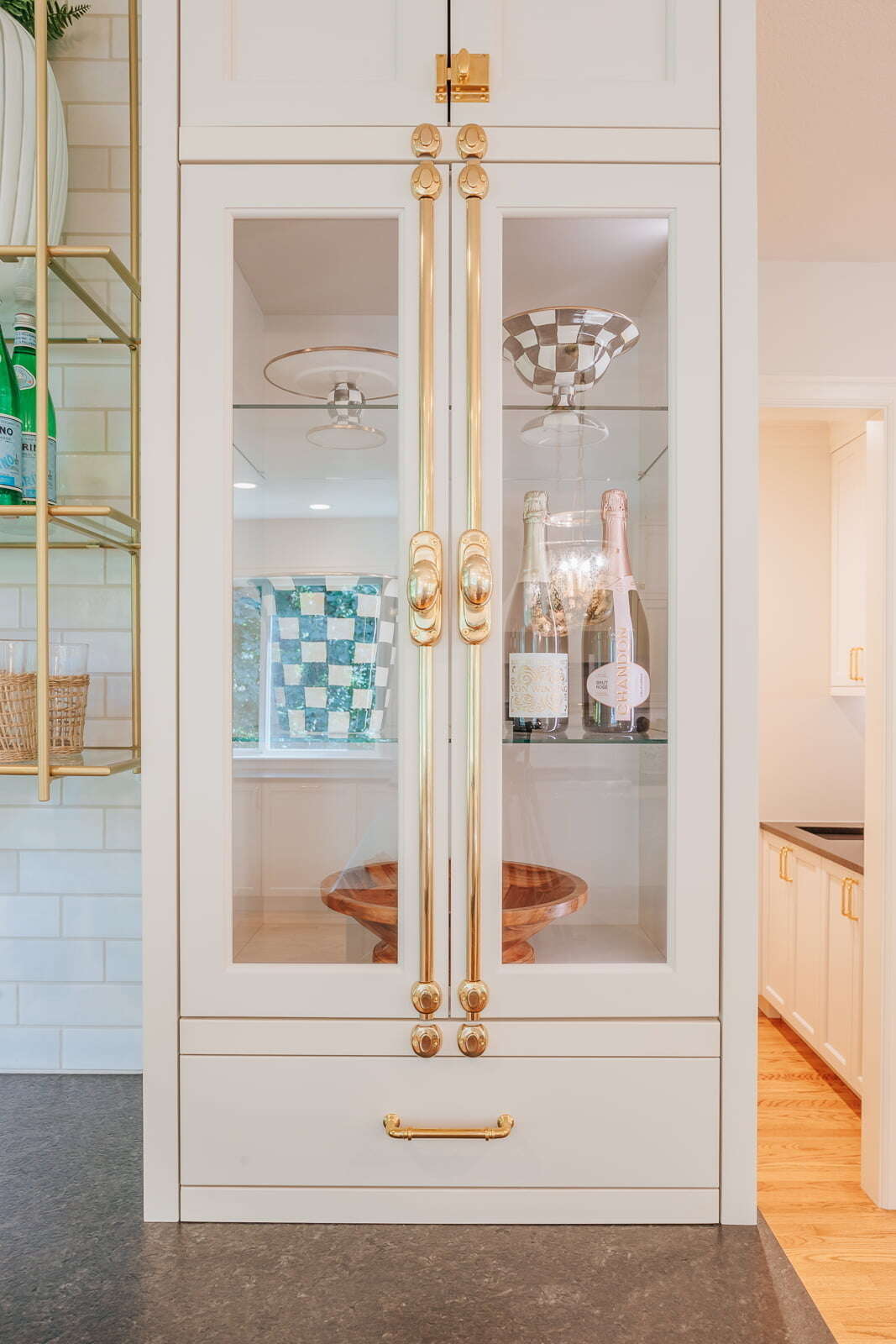
Which Finish Fits Your Cabinets
Choosing a finish in isolation only tells half the story—the right hardware finish also depends on the color of your cabinets. Here's a quick guide to what tends to work best with the most common cabinet colors.
White Cabinets: White is the most forgiving cabinet color for hardware, which is part of why it remains so popular. Dark finishes like matte black or oil-rubbed bronze create bold, high-contrast definition, while brushed nickel or brushed gold offer a softer, more subtle look. Avoid anything too similar in tone to the cabinet itself, or the hardware will disappear visually.
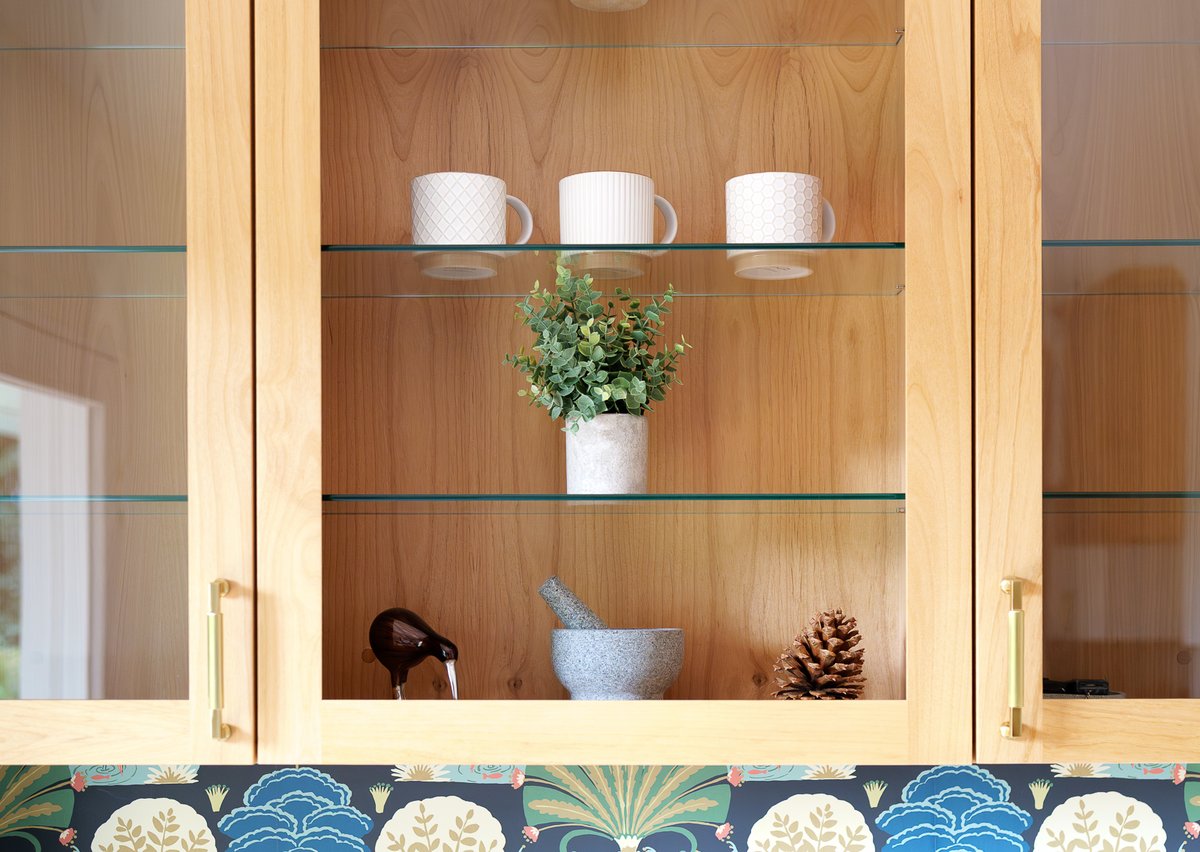
Oak Cabinets: Oak's warm, golden undertones pair naturally with warm metals—brass, brushed gold, and bronze all complement oak without competing with it. Cooler finishes like chrome or polished nickel can work too, but they create more contrast and a more modern feel than oak's traditionally warm character.
Cherry and Dark Brown Cabinets: Rich, dark cabinetry calls for hardware that can hold its own visually. Brushed gold and brass add a warm, elegant contrast, while black hardware creates a more dramatic, modern pairing. Lighter finishes like chrome tend to look stark against these deeper tones.
Black Cabinets: Black cabinetry is dramatic on its own, so hardware here is an opportunity to either lean into that boldness or soften it. Brushed gold or brass hardware adds warmth and contrast, while black or dark bronze hardware creates a cohesive, monochromatic look.
Matching Hardware to Cabinet Style
Beyond color, the style of your cabinetry also shapes which hardware feels right.
Shaker Cabinets: Shaker-style cabinets, with their clean, recessed-panel doors, are the most common cabinet style in homes today, and they pair well with almost any finish on this list. Simple bar pulls in brushed nickel or matte black are a classic, versatile choice, while a knurled or unlacquered brass pull adds a bit more personality without clashing with Shaker's clean lines.
Rustic and Farmhouse Cabinets: Rustic cabinetry, often featuring visible wood grain, distressed finishes, or beadboard detailing, calls for hardware that feels equally handcrafted. Oil-rubbed bronze, black iron, and unlacquered brass all read as more organic and lived-in than a polished or chrome finish, which can feel out of place against rustic cabinetry's textured, natural character.
Want More Design Inspiration for Your Home?
Now that you have more context around the types of cabinet and door hardware available to you, do you feel more confident choosing the hardware items for your own home? If you’re still looking for more design inspiration, check out our Kitchen Remodel Portfolio, where you can see different examples of cabinet and door hardware in action!
Ready to start exploring your design options with professional help? Schedule a free design consultation with a member of our team. We’ll help you plan for a great remodel experience while also avoiding common mistakes and challenges. Let us help you turn your current home into your dream home!
Frequently Asked Questions
How do I choose cabinet hardware? Start with your cabinet color and style, then narrow down finishes that complement both. From there, budget and durability (see the good/better/best breakdown above) will help you land on a specific material and finish.
What size cabinet pulls do I need? Pull length is largely a matter of proportion and personal preference, but a common starting point is a 3-5" pull for standard cabinet doors and a longer 8-16" pull for larger drawers, scaling up for wider drawer fronts. For mounting, most cabinet hardware uses a 3/16" drill bit, though this can vary by manufacturer, so it's worth confirming before installation.
How do I clean brass or bronze cabinet hardware? For lacquered brass or bronze, a soft, damp cloth is usually enough—avoid abrasive cleaners, which can damage the protective coating. For unlacquered brass, many homeowners simply let it age naturally; if you'd like to slow the patina, a brass-specific polish applied occasionally will help maintain a brighter finish.
Can I mix cabinet hardware finishes? Yes. Mixing two complementary finishes, one primary and one accent, is an increasingly common way to add depth to a kitchen or bathroom. The key is intentionality: use your primary finish for the majority of hardware, and reserve the second finish for a smaller number of pieces or a distinct area, like an island.
What's a standard size for cabinet hardware? There isn't a single industry-wide standard, but knobs commonly range from 1"-1.5" in diameter, and pulls are typically measured by the distance between mounting screws (center-to-center), ranging from about 3" for smaller doors up to 12"+ for wide drawers.
-1.jpg)