As a relatively new product in the shower market, Wetwall waterproof shower wall panels are an increasingly popular choice for bathroom remodeling. However, when it comes to installation, many homeowners and even contractors are confused about how to install these products properly. Currently, one of the most common questions homeowners ask is whether or not it is acceptable to install Wetwall shower panels directly over the drywall.
As a design-build remodeling firm based in Portland, Oregon, our team at Lamont Bros. Design & Construction regularly installs Wetwall shower wall panels on our remodeling projects. Having been through this process several times, our team of remodeling experts is uniquely qualified to provide insights on best practices when installing Wetwall shower panels.
In this article, we’ll address the question of whether or not you should install Wetwall panels over drywall. After reading this article, you’ll have a better understanding of installation best practices when it comes to Wetwall shower panels and be able to decide on your bathroom remodel. The specific topics we’ll cover include:
- Overview of Wetwall Panels & their Composition
- Wetwall Manufacturer’s Installation Recommendations
- Pros & Cons of Installing Wetwall over Drywall

What is Wetwall and How is it Made?
Wetwall is a type of paneling that is used in bathrooms, showers, and wet rooms to waterproof the walls. This type of wall covering is an alternative to tile or fiberglass, offering a range of designs that can mimic the look of tiles, marble, stone, or even wood.
Wetwall panels are designed to be waterproof. They are manufactured using a core material made of wood and plastic with a decorative outer layer. The panels themselves come with click-together tongue and groove edges, so the panels interlock with one another. This ensures that they can withstand exposure to water without the risk of damage or decay that you might find with traditional wall materials.
Is it Safe to Install Wetwall Over Drywall?
Many homeowners and contractors hesitate to install Wetwall directly on top of the drywall. The concern is mainly due to the properties of drywall and what happens if it gets wet.
What is drywall?
Drywall is a type of building material used to cover walls and ceilings. It is composed of a layer of gypsum, a naturally occurring mineral, sandwiched between two layers of heavy paper.
The reason that moisture is a concern with drywall is because the gypsum used to make it is porous and can absorb water. This can cause the drywall to swell and deteriorate. Furthermore, prolonged exposure to water can cause drywall to develop mold and mildew, which can pose health risks.
Is Drywall Normally Used as a Backer for Waterproof Surfaces?
Generally speaking, drywall is not used as a backer for waterproof surfaces. Typically this is because it is either not necessary or not waterproof enough.
For example, fiberglass shower inserts typically sit upon bare studs rather than a layer of drywall. This is because the fiberglass inserts are installed into a new home before the drywall, and need to be fastened to studs for structural security.
In cases involving tile, there needs to be a waterproof substrate underneath the tile. Grout is often not waterproof, and grout lines are prone to leaking as they age. As a result, tile showers need a waterproof backer to prevent water from seeping into the wall or floor structure. Also, a waterproof backer provides a solid, flat surface for tile adhesion, ensuring the longevity and integrity of the tile installation. Products like Hydro-Blok and Schluter are common substrates used for waterproofing showers.

What is the Manufacturer’s Recommendation for Installing Wetwall?
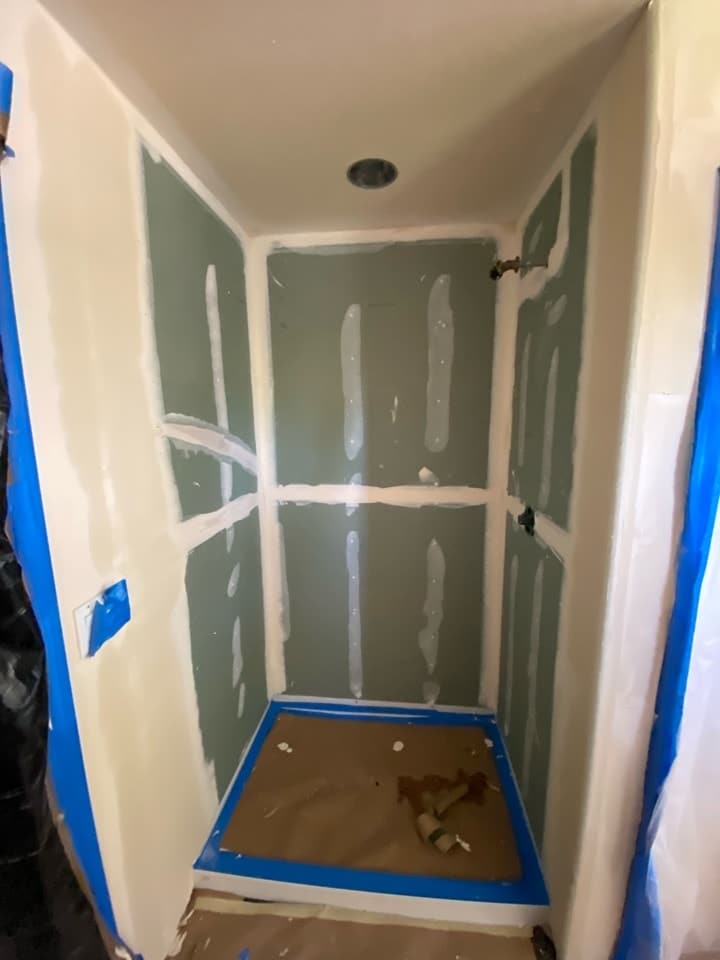
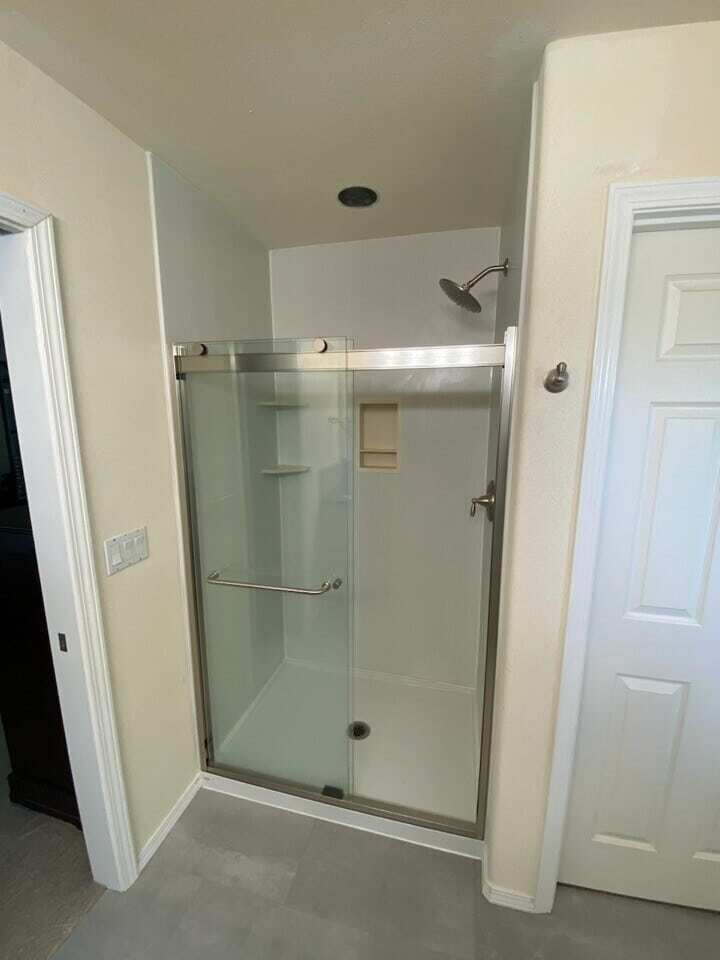
According to Wetwall’s manufacturer, it is safe to install Wetwall over drywall. Unlike tile, the Wetwall material itself is waterproof and does not require a waterproof backer underneath it.
One of the major selling points for Wetwall is that it can be safely and quickly installed over existing surfaces. Wilsonart, the manufacturer of Wetwall, explains it like this:
“Our patented tongue-and-groove panels fit and lock into existing spaces to quickly go over various substrates — gypsum (sheetrock), greenboard, fiberboard, cement or concrete board, plaster and of course, even tile.”
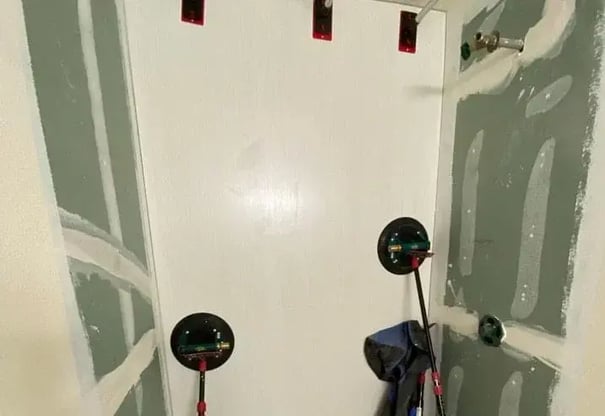
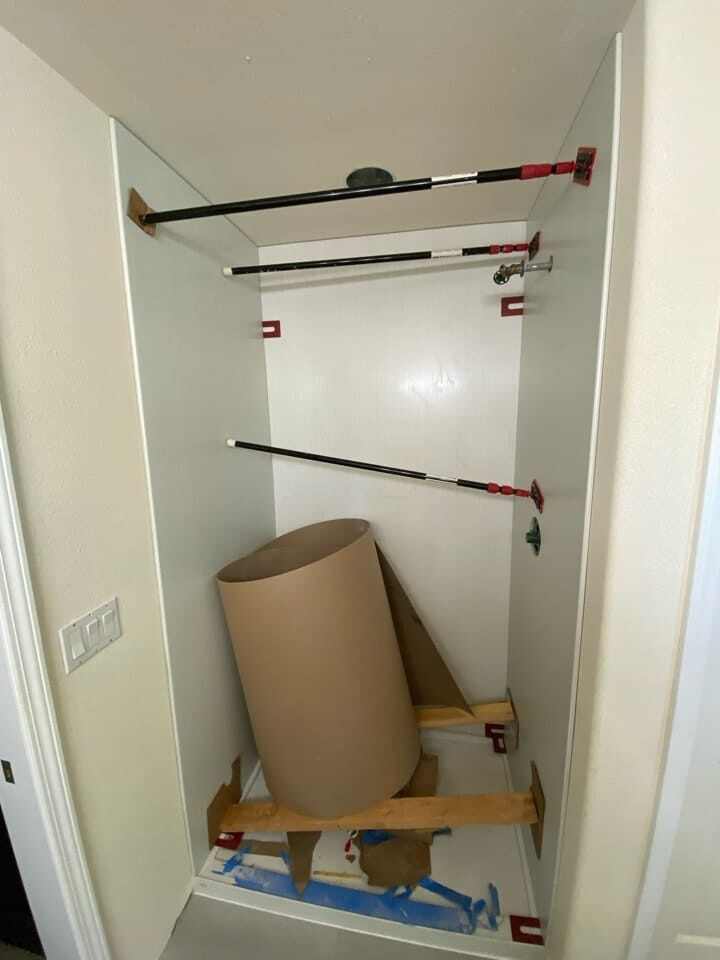
According to the installation instructions, Wetwall can be installed over drywall as long as the Wetwall panels are installed correctly. This includes applying a sealant to all of the corners, joints, and seams within the shower.
Should I Install Wetwall Over Drywall in My Bathroom?
Just because the manufacturer says you can install Wetwall over drywall doesn’t mean it’s always the best course of action. Ultimately, the decision on how your Wetwall panels are installed comes down to how much risk you want to take.
In many cases, contractors will treat Wetwall or similar products like a tile job. They will incorporate a waterproof backer as a redundancy to ensure that the shower remains waterproof even if the panels leak. However, this can add significant material and labor costs to a project.
To better understand whether or not you should install Wetwall on top of drywall in your own home, consider the pros and cons.
Advantages of Installing Wetwall over Drywall
When considering Wetwall for your bathroom, you might choose to install it over drywall for these reasons:
Cost-Effectiveness
Installing Wetwall over Drywall can save you a lot of money in labor and material costs. Waterproof backer boards like Hydro-Blok can be up to 8 times more expensive than drywall per square foot. By using drywall as a backer for your Wetwall shower, your contractor won’t have to charge you demolition and installation costs to remove the drywall and replace it with a waterproof substrate.
Manufacturer’s Approval
The manufacturers of Wetwall products officially approve drywall as a suitable backer, as long as their specialized sealants and adhesives are used to install the panels.
Simplified Installation
The process of using drywall as a backer for Wetwall simplifies the installation process, particularly in scenarios where drywall is already used in the rest of the bathroom, eliminating the need for additional tools or materials.
Disadvantages of Installing Wetwall Over Drywall
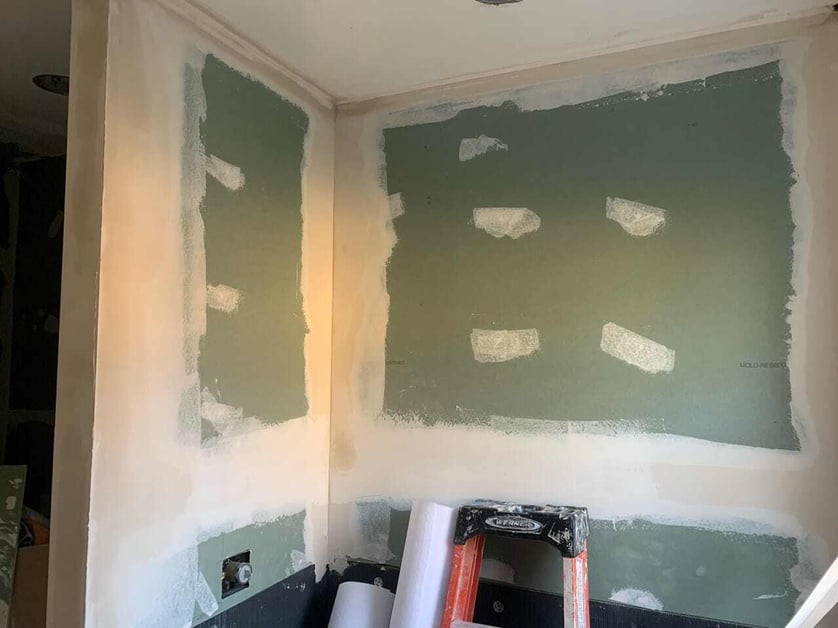
Although approved by the manufacturer, installing Wetwall over drywall may be a risky decision. Here are some reasons why you might not want to do it:
Potential Risk of Water Damage
If the Wetwall sealant fails, water could potentially permeate the drywall, leading to structural damage and potential health risks associated with mold and mildew.
Lack of Redundancy
Drywall doesn’t provide an additional layer of waterproofing, which goes against the principle of redundancy in construction, particularly in areas exposed to water.
Warranty Limitations
Many professionals in the construction industry may not be comfortable with the idea of drywall as a backer for wet areas because of the risks associated with water damage. An installer may refuse to warranty their work if they are not confident in the installation method.
Frequently Asked Questions
Can Wetwall panels be installed over existing tile?
Yes, provided the existing ceramic tile is firmly attached. Wetwall instructs installers to remove loose tiles and smooth the exposed area. Glossy tile must be roughened so the adhesive can bond properly. The surface must then be cleaned and allowed to dry.
What condition should the wall be in before installation?
The wall must be dry, smooth, and free from dust, mold, soap residue, and other contaminants. The shower alcove should also be plumb and square. Wall damage, loose materials, and moisture problems should be corrected before the panels are installed.
How long should you wait before using a shower after installing Wetwall?
Wetwall requires 24 hours for its adhesive and sealant to cure before shower accessories are installed. The color-coordinated sealant must also dry for 24 hours before the shower is used.
Can grab bars and shower accessories be attached to Wetwall panels?
Third-party accessories such as grab bars, shelves, shower doors, and curtain rods cannot rely on the panel for structural support. Framing must be installed behind the panel so fasteners can reach the studs. Penetrations must also be sealed according to the manufacturer’s instructions.
How should Wetwall shower panels be cleaned?
For routine cleaning, use warm, soapy water with a soft sponge or cloth. Non-abrasive household cleaners may also be used if they are rinsed away promptly. Avoid abrasive powders, scouring pads, wire brushes, sharp tools, and strong solvents because they can dull or damage the surface.
Planning a Bathroom Remodel With Wetwall?
Wetwall performance depends on more than the panel pattern. The substrate, wall preparation, panel layout, plumbing openings, seams, sealant, and structural support for accessories must all be coordinated during design and installation.
Review our bathroom remodeling services or read more about waterproof shower wall panels.
When you are ready to discuss your bathroom, schedule a consultation with Lamont Bros. Design & Construction. Our team will evaluate the shower system as part of the bathroom’s complete design and construction plan.
-1.jpg)